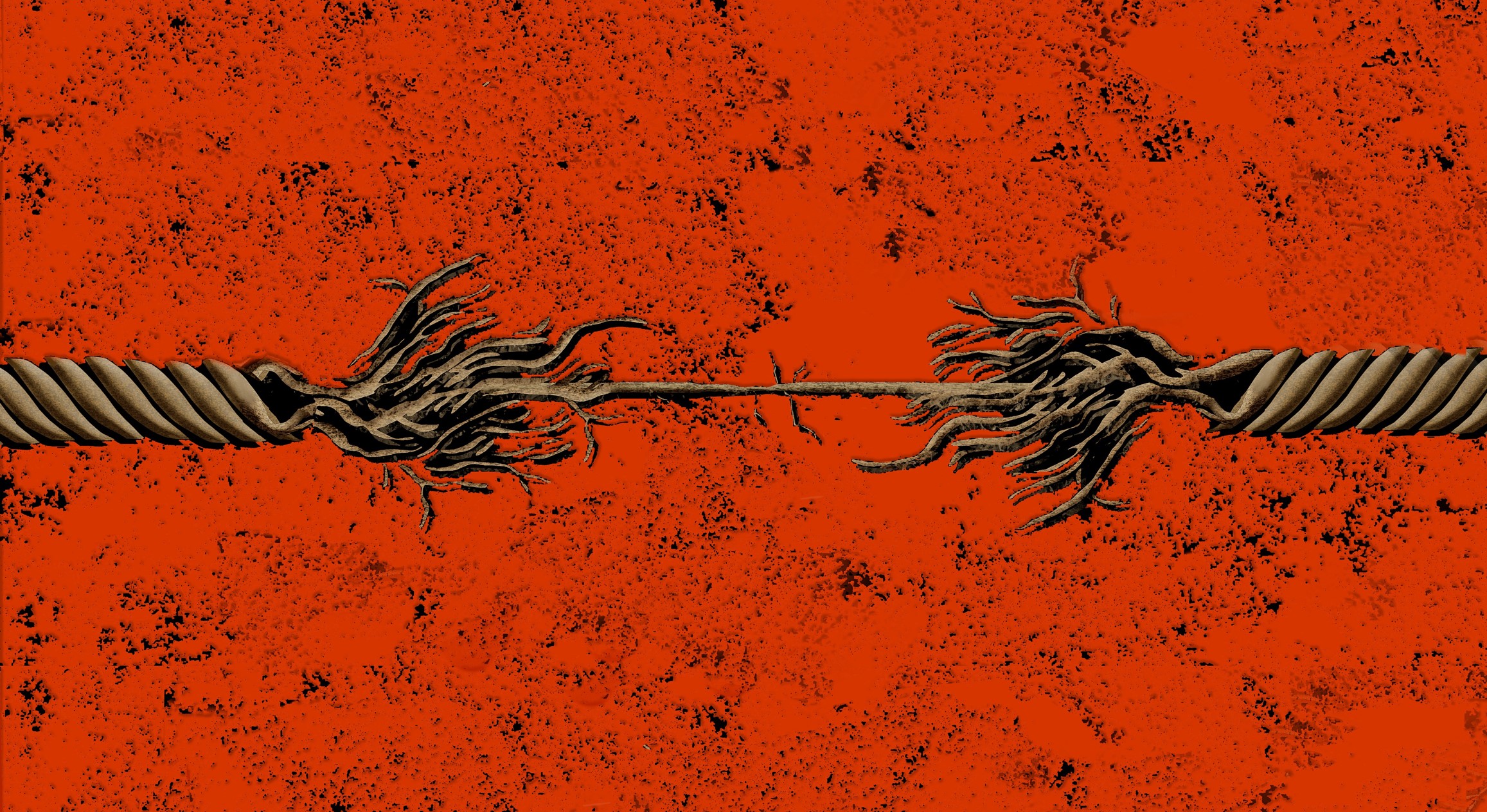


Do You Have a Broken Corporate Culture?
If your corporate culture is slowing execution, driving away talent, or making it harder to achieve your strategic goals, you are not alone. A broken corporate culture rarely fails overnight. Instead, it deteriorates gradually as:
The good news is that change management consulting experts know that culture can be measured, strengthened, and aligned. The first step is recognizing the cultural warning signs.
Recent Gallup research found that only 20% of employees strongly feel connected to their organization’s culture, while McKinsey reports that roughly 70% of organizational transformations fail, with culture-related issues among the leading causes. These findings reinforce what we see in organizational culture assessments every day: even the best strategies struggle when culture works against them.
Corporate Culture Defined
Corporate culture is the shared set of beliefs, values, norms, behaviors, and unwritten rules that shape how people work together and make decisions. It influences how leaders lead, how teams collaborate, how customers are treated, and how work gets done.
Think of culture as your organization’s DNA. Although it is often invisible, it influences nearly every business outcome.
Why Corporate Culture Matters
Culture is the operating system through which every strategy, initiative, and change effort must pass. Even the strongest business strategy cannot consistently succeed when the underlying culture is misaligned.
Our organizational alignment research found that culture explains 40% of the performance difference between high- and low-performing organizations. Like the air employees breathe every day, culture shapes behaviors, decisions, and relationships — whether leaders intentionally manage it or not.
Unfortunately, because workplace culture cannot be seen on a balance sheet, many organizations underestimate its influence until performance begins to decline.
A broken corporate culture rarely announces itself. Instead, it appears through patterns of behavior that gradually undermine execution, engagement, and results.
Ask yourself whether these symptoms sound familiar:
The more frequently these behaviors occur, the more likely they reflect systemic cultural issues rather than isolated management challenges.
The Ripple Effects of a Broken Corporate Culture
Culture influences far more than employee morale.
Over time, these issues damage organizational reputation, reduce competitiveness, and make growth substantially harder to achieve.
The Three Most Common Causes of a Broken Corporate Culture and How to Fix Them
Like unwanted weeds choking a potentially healthy garden, a range of factors can contribute to the breakdown of corporate culture. Based upon organizational culture survey data, three root causes appear more frequently than any others.
Employees closely watch whether leadership decisions align with the organization’s stated mission, values, and strategic priorities. When words and actions diverge, credibility quickly disappears.
Action item: Create leadership team alignment on purpose, direction, strategic priorities, and the culture needed to execute.
When information, resources, and decision-making remain trapped within functions, collaboration declines, priorities compete, and strategic initiatives slow dramatically. Since most important business objectives require cross-functional cooperation, silos become significant cultural obstacles.
Action item: Create shared goals across functions to increase interdependence and collaboration.
Broken cultures cling to outdated processes, avoid difficult conversations, and resist necessary change. As markets evolve, this lack of adaptability limits innovation, slows decision-making, and reduces long-term organizational resilience.
Action item: Invest in proven change management training to build the capabilities and mindsets required to continuously adapt.
The Bottom Line
A broken corporate culture is not simply an employee engagement issue. It is a business performance issue that influences strategy execution, innovation, decision making, customer experience, risk tolerance, retention, and long-term growth. The encouraging news is that culture is not fixed. Organizations that intentionally align leadership behaviors, strengthen collaboration, reinforce accountability, and build trust can transform culture into a lasting competitive advantage.
To learn more about how to create a healthy, high performing, and strategically aligned corporate culture, download the 3 Levels of a High Performance Culture Every Leader Must Get Right

Tristam Brown is an executive business consultant and organizational development expert with more than three decades of experience helping organizations accelerate performance, build high-impact teams, and turn strategy into execution. As CEO of LSA Global, he works with leaders to get and stay aligned™ through research-backed strategy, culture, and talent solutions that produce measurable, business-critical results. See full bio.



Aug 17,2026
 0
0

Feb 11,2019
13 K

Apr 18,2017
11 K

Nov 20,2016
6 K

Oct 02,2017
6 K
Explore real world results for clients like you striving to create higher performance