

Should You Assess Your Company Culture?
If your organization isn’t performing at its peak — or if you’re navigating shifts in strategy, leadership, or workforce composition — it’s time to take a hard look at your company culture. Understanding your current culture is critical to aligning your people with your business goals.
Every Company Has a Culture
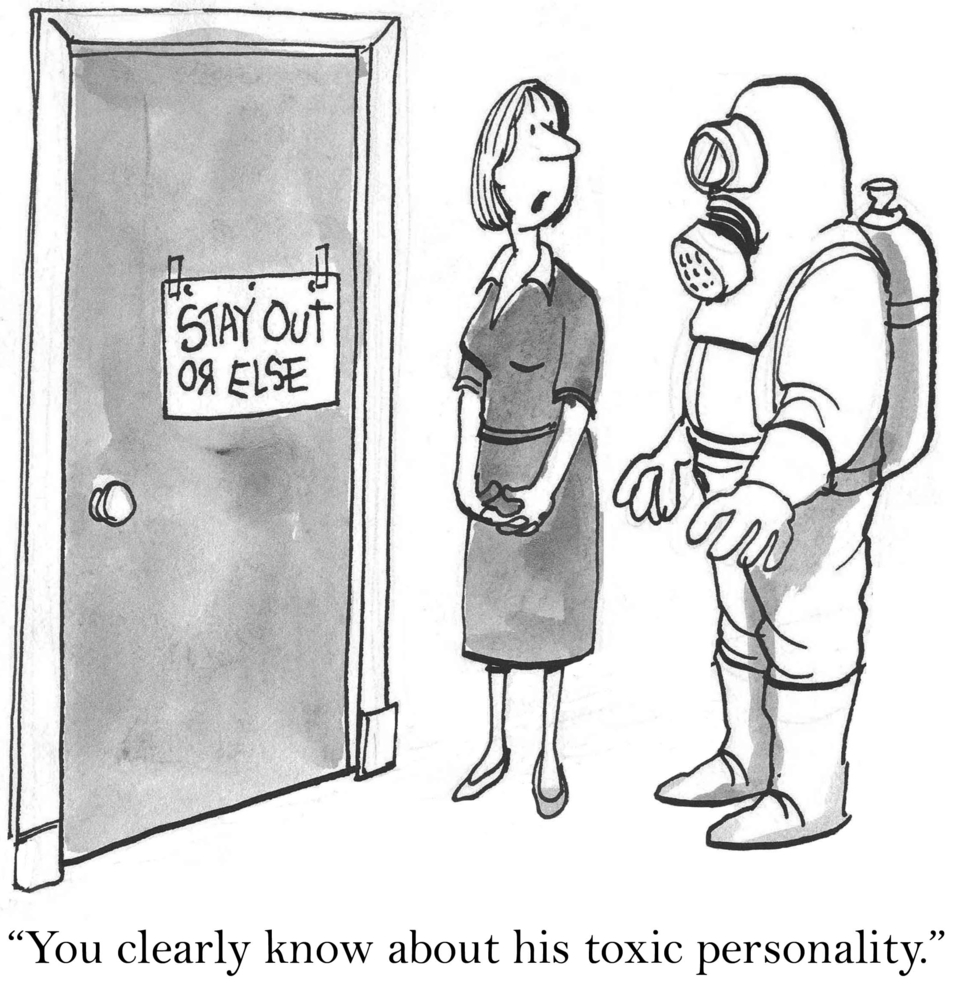
Just as individuals have personalities shaped by traits, habits, and tendencies, every organization has a culture that defines how it thinks, feels, and operates. Some people are naturally outgoing and collaborative, while others are more reserved or skeptical. Similarly, some organizations thrive on innovation and risk-taking, while others prioritize structure and caution.
Corporate culture is the invisible framework guiding how work gets done. It shapes decision-making, collaboration, communication, and even the behaviors rewarded or discouraged. It’s reflected most clearly in leadership — how leaders make decisions, who they choose to hire, fire, and promote, and which values they consistently champion. In short, culture is not just what a company says it believes; it’s what it does every day.
Workplace Culture Matters
No longer just a nice-to-have, corporate culture has become integral to a company’s success. When your culture aligns with your business strategy and when you hire talent that fits with your desired culture, you will outperform your peers. In fact,
How to Assess Your Company Culture
If corporate culture drives performance, then understanding and measuring corporate culture is essential. Only by assessing it can you determine whether your organization is truly positioned to compete effectively in the marketplace. To evaluate the health and effectiveness of your culture, consider four key dimensions that lend themselves to meaningful measurement:
If you want to get a sense of your corporate culture, start by determining if employees understand, believe in, and are committed to your vision, mission and values. If there are gaps, there will also be holes in the culture you are trying to create.
Are your employees be able to send, receive, and understand information and innovative thoughts freely?
For those who excel, see that suitable recognition and rewards are given. And by the same token, for employees who perform below expectations, see that there are consequences. When performance accountability is high, people know where they stand, are clear about where they need to go and know what they need to avoid.
Do your people know where they stand?
The Bottom Line
A strong, well-defined culture drives performance and shapes sustainable success. The ability to regularly assess your company culture — and tracking how it evolves — ensures your organization stays aligned, resilient, and positioned to outperform the competition.
if you want to see if your culture is aligned with your strategy, download How to Align Your Culture to Drive Your Strategy Forward

Tristam Brown is an executive business consultant and organizational development expert with more than three decades of experience helping organizations accelerate performance, build high-impact teams, and turn strategy into execution. As CEO of LSA Global, he works with leaders to get and stay aligned™ through research-backed strategy, culture, and talent solutions that produce measurable, business-critical results. See full bio.

Mar 23,2026
 0
0

Mar 19,2026
0

Mar 16,2026
0
Mar 09,2026
0
Mar 05,2026
0

Mar 02,2026
0

Feb 11,2019
12 K

Apr 18,2017
10 K

Nov 20,2016
6 K

Oct 02,2017
5 K
Explore real world results for clients like you striving to create higher performance