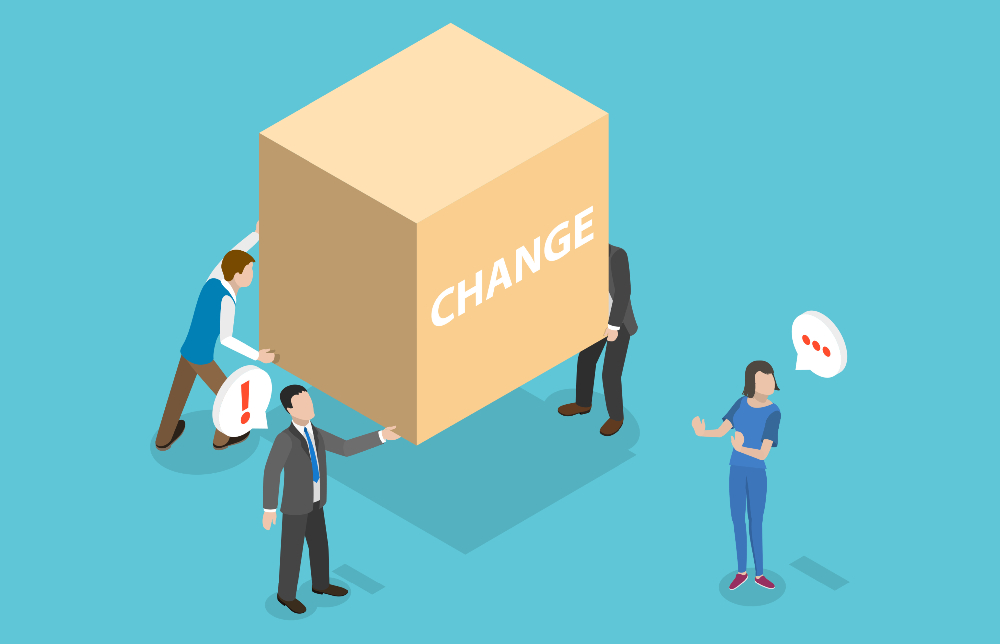


Cultural Resistance to Organizational Change Can Be Profound
Corporate culture assessment analyses show that cultural resistance to organizational change can run deep. When transformation takes hold, new ways of working become part of the organization’s genetic code. When it doesn’t, the existing culture often behaves like an immune system — quick to reject anything that feels foreign or disruptive.
This dynamic matters because meaningful change is rarely limited to processes or structures; it reshapes how people collaborate, make decisions, and deliver value. As a result, employees may push back not out of stubbornness, but because the shift challenges long-standing habits, comfort zones, and even their sense of identity at work.
How to Overcome Cultural Resistance to Organizational Change
With project postmortem analyses showing that the majority of change initiatives fail, smart change leaders follow five change management strategies that address the most common cultural barriers to change.
To mobilize real change, leaders must take the time to surface the anxieties sitting beneath the surface. Proven tools — surveys, focus groups, and candid one-on-one conversations — help reveal what people are worried about and why it matters. Just as important, leaders need to diagnose which dimensions of the current culture run counter to the shift they’re trying to make.
Only by understanding both the human concerns and the cultural friction points can they design a path forward that people are willing to follow.
Honest and transparent communication helps reduce uncertainty and build trust. According to a study in Harvard Business Review, employees who feel informed about change initiatives are 30% more likely to engage constructively.
When employees have a voice in shaping the change, their commitment grows, and the change is more likely to stick.
The Journal of Applied Behavioral Science emphasizes that leaders’ behavior significantly influences organizational culture, creating a ripple effect that encourages adoption across teams.
Celebrating early wins not only motivates employees but also demonstrates the tangible benefits of change, further embedding it into the organizational culture.
The Bottom Line
Cultural resistance is not a sign of failure; it is a natural response to uncertainty and disruption. Organizations increase their change readiness by combining empathy, clear communication, active engagement, and consistent modeling with systemic reinforcement. By addressing the cultural dimension intentionally, leaders can help transform change resistance into change momentum, ensuring that organizational change is implemented and internalized.
To learn more about Cultural Resistance to Organizational Change, download How to Successfully Mobilize, Design and Transform Your Change Initiative

Tristam Brown is an executive business consultant and organizational development expert with more than three decades of experience helping organizations accelerate performance, build high-impact teams, and turn strategy into execution. As CEO of LSA Global, he works with leaders to get and stay aligned™ through research-backed strategy, culture, and talent solutions that produce measurable, business-critical results. See full bio.

Aug 03,2026
 0
0

Jul 27,2026
0

Feb 11,2019
13 K

Apr 18,2017
11 K

Nov 20,2016
6 K

Oct 02,2017
6 K
Explore real world results for clients like you striving to create higher performance