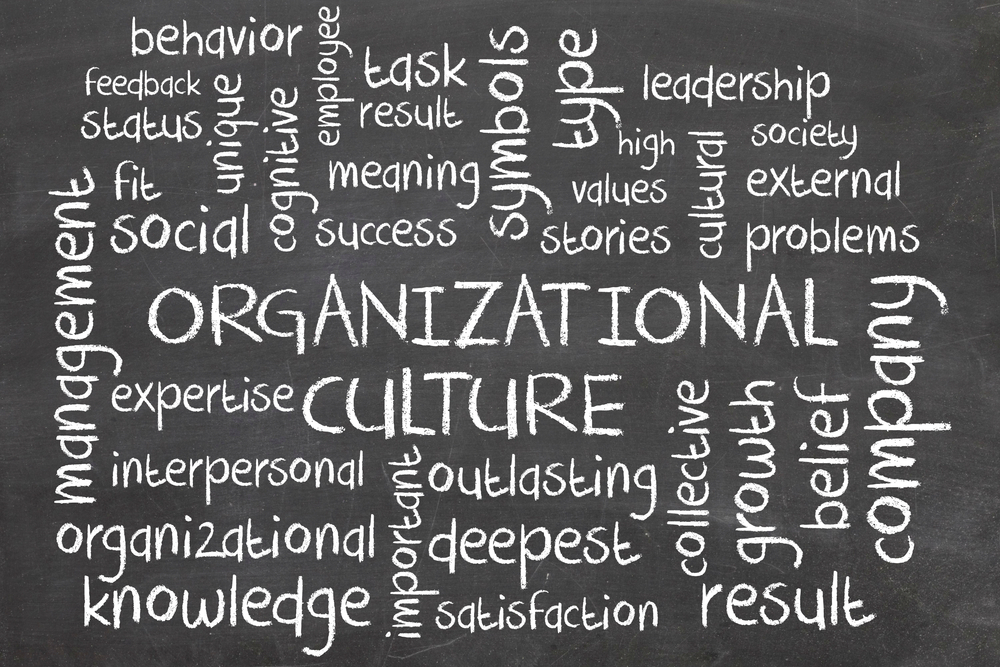


A Powerful Workplace Culture Matters — It’s Not Just a “Soft Concept”
Many view organizational culture as a soft, intangible idea — something tied solely to attitudes, beliefs, and behaviors. While culture certainly influences how people think and act, it is far more than a feel-good notion. In reality, a powerful workplace culture is a strategic asset — a measurable driver of performance, engagement, and successful strategy execution. When cultivated intentionally, culture becomes a force that shapes decisions, aligns teams, and drives results.
How We Define Workplace Culture
We define workplace culture as the reality of how work actually gets done — shaped by the collective mindset, behaviors, and work habits of an organization’s people. Culture encompasses both the explicit and unspoken values and assumptions that guide critical business decisions, influence day-to-day business practices, and manifest most clearly in leadership choices — from who is hired and promoted to how teams are held accountable.
When a corporate culture is clear, strong, and aligned, it has an enormous impact on business performance.
Two Ways a High Performance Corporate Culture Can Affect Your Bottom Line
First, a Powerful Workplace Culture Culture Attracts Potential Business Partners
A strong workplace culture doesn’t just draw top talent — it also attracts the right business partners. Executives prefer to align with organizations that have a meaningful mission and values consistently embodied by both leaders and employees. Decision-makers seek partners who demonstrate integrity, accountability , open communication, and a growth-oriented mindset — all clear signals of a healthy, high performing culture.
Second, a Powerful Workplace Culture Engages and Retains Top Talent
Employees who embrace a company’s core values and align with its mission and strategic vision are more engaged, motivated, and loyal. This reduces turnover, lowers recruiting and hiring costs, and drives higher productivity through increased discretionary effort. The benefits extend beyond employees: customers receive better service, stay longer, and contribute to stronger sales and profitability. In short, a thriving culture creates a virtuous cycle that powers both talent retention and business performance.
Three Steps to Build a Powerful Workplace Culture
Based on data from over 30 years assessing organizational culture, here are the three main steps to build an organizational culture that attracts and retains great employees:
As a leader, your role is to ensure the team not only understands this strategy but fully commits to executing it in ways that deliver meaningful value for clients while resonating with employees. Strategic clarity transforms direction into action, aligning effort with impact.
Employees, customers, and business partners today expect authenticity. They want to understand what your company truly stands for and see those principles consistently shaping decisions, especially when the stakes are high. Workplace complacency erodes trust; living your values builds it.
The Bottom Line
Companies aiming for growth cannot focus solely on go-to-market strategies — they must also examine their workplace culture. Strategy only succeeds when it passes through and is reinforced by culture. Research shows that a powerful workplace culture account for 40% of the difference between organizational success and failure, making it a critical lever for sustainable performance.
To learn more about getting the most out of your organizational culture, download Do You Have a High Performance Culture to Drive Your Strategy?

Tristam Brown is an executive business consultant and organizational development expert with more than three decades of experience helping organizations accelerate performance, build high-impact teams, and turn strategy into execution. As CEO of LSA Global, he works with leaders to get and stay aligned™ through research-backed strategy, culture, and talent solutions that produce measurable, business-critical results. See full bio.

Mar 19,2026
 0
0

Mar 16,2026
0
Mar 09,2026
0
Mar 05,2026
0
Mar 02,2026
0

Feb 23,2026
0

Feb 11,2019
12 K
Apr 18,2017
10 K

Nov 20,2016
6 K

Oct 02,2017
5 K
Explore real world results for clients like you striving to create higher performance