The Dilemma of How to Effectively Handle Low Sales Performers
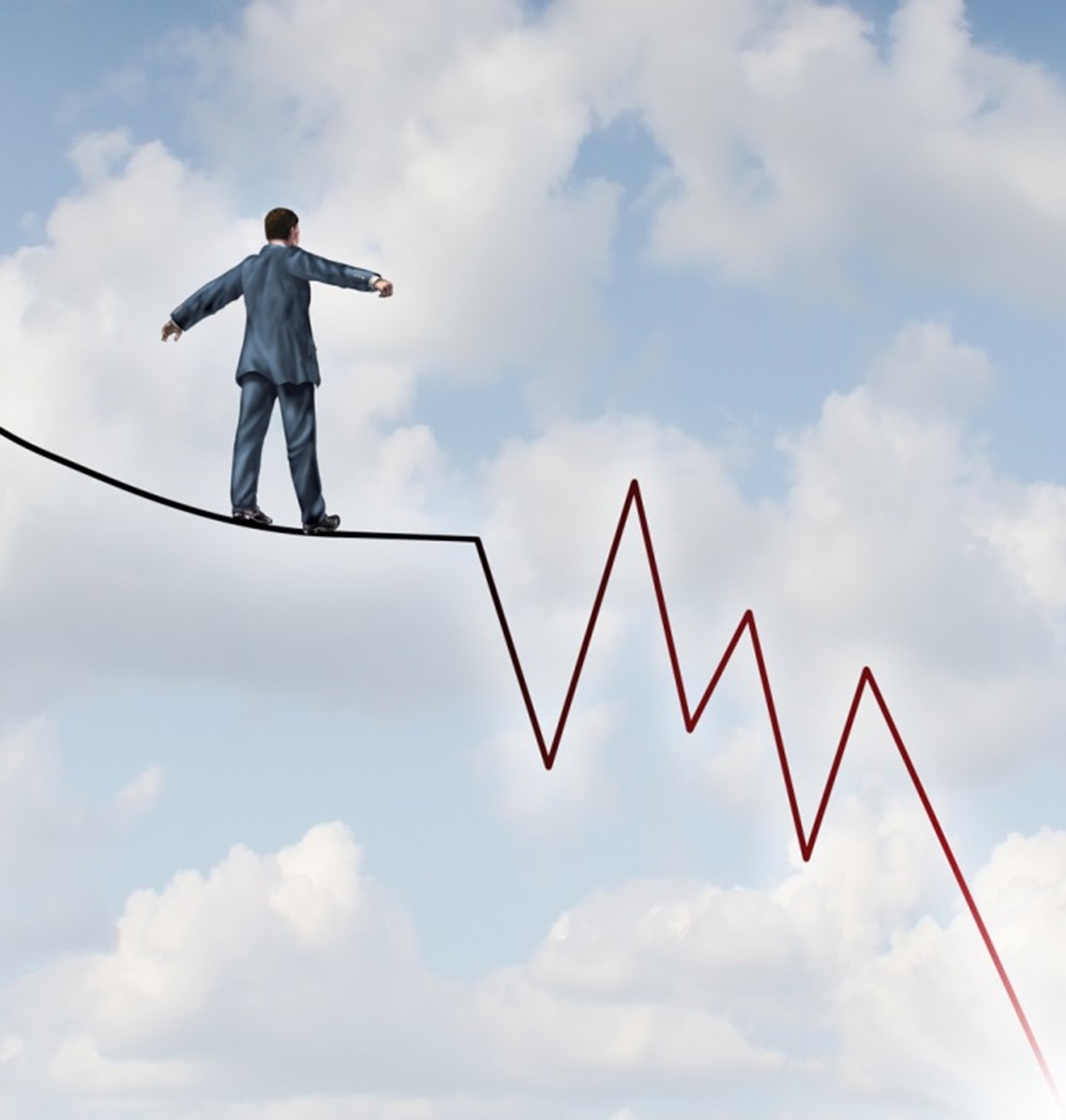
Sales leaders consistently face a familiar and uncomfortable tension. A salesperson is underperforming against expectations, yet their sales pipeline contains a few so-called “big deals” that appear promising on paper.
Do you hold on and give them another quarter to deliver — or use sales rep assessment simulations to upgrade your sales team’s capabilities and makeup?
Those potential deals can be hard to ignore. They create optimism, and in some cases, justify delay. At the same time, the cost of hiring, onboarding, and ramping a new sales rep is significant — not just financially, but in time, lost momentum, and team disruption. There is also the operational friction of transitions and the human reality of parting ways with someone you’ve worked closely with.
The challenge is that hope is not a strategy. Sales pipelines are often inflated with optimism, and leaders can end up unintentionally financing underperformance in exchange for uncertain future returns.
What The Research Says Sales Performance
Top sales leaders excel at building and leading high performing sales teams by consistently:
- Creating Strategic Sales Clarity
A effective sales strategy is not a slide deck — it is a transparent, purposeful, and disciplined alignment between market opportunity, customer value, and organizational capability. Without it, sales teams default to activity over direction, chasing revenue in ways that are difficult to scale, predict, or sustain. Sales leadership assessment research has consistently shown that high-performing sales organizations are not simply more aggressive; they are more focused.
- Shaping and Aligning Sales Culture
Sales culture is often discussed as if it is an intangible “soft” factor. In practice, a sales-driven culture accounts for 40% of the performance gap between high and low performing sales organizations in terms of revenue growth, profitability, and customer retention. Your sales culture determines how salespeople make decisions, how they prioritize competing demands, and how consistently they execute the intended sales plan.
A misaligned sales culture does not just create variability — it creates predictable underperformance.
- Developing Capable Sales Teams
While sales talent certainly matters, developing a capable sales team is about building a system that consistently produces strong sales performance and retention across different people, accounts, and market conditions. Many organizations underestimate this distinction. They focus heavily on hiring high performers, then assume capability will sustain itself. In reality, sales capability is constructed through alignment between solution selling skills, expectations, sales coaching, and culture—not personality alone.
Smart, Field-Tested Advice to Effectively Handle Low Sales Performers
High performing sales teams are not built by endlessly trying to “fix” chronic underperformance. They are built by setting a clear standard, supporting improvement quickly, and making decisive calls when performance does not change. The hardest truth for many sales leaders is this: tolerating low performance for too long lowers the performance bar for everyone else.
If you are leading a sales team, the objective is not to be harsh — it is to be precise, fair, and consistent in how performance is defined and managed.
- Define Clear Sales Success Metrics
Before accountability or coaching can be effective, performance must be unambiguous. Sales success metrics need to be simple, realistic, and directly tied to your go-to-market sales strategy. That includes clarity on revenue expectations, pipeline standards, activity drivers, and conversion benchmarks.
Equally important, your compensation plan must reinforce these priorities. If incentives are misaligned with strategy, you will unintentionally reward the wrong behaviors. High-performing sales cultures maintain tight alignment between what is measured, what is rewarded, and what is strategically important.
- Ensure Forecasting Reflects Reality, Not Optimism
Sales forecasting is not just an operational exercise — it is a leadership decision-making tool. Yet many organizations operate with sales forecasts that lack credibility. Industry research consistently shows that fewer than one in four sales leaders fully trust their forecast accuracy.
Strong forecasting is grounded in buyer evidence, not seller optimism. It requires clear qualification standards, disciplined sales pipeline hygiene, and shared definitions of what constitutes a real opportunity. When forecasting is accurate, it strengthens decisions around hiring, sales territory design, budgeting, sales coaching focus, and performance management. When it is not, it compounds misalignment across the organization.
- Understand the True Business Economics of Sales Performance
Effective sales leadership requires financial clarity, not just performance tracking. You need to understand the breakeven point for each sales role, the expected ramp time to quota, and the cost of underperformance over time.
These economics matter because they shape how long you can afford to support underperformance — and what it is actually costing the organization in missed revenue, lost productivity, and team dysfunction. Without this lens, performance decisions become subjective rather than strategic.
- Balance High Support with High Accountability
A high performance sales culture does not choose between support and accountability — it demands both at the same time. Lower performers should be given a defined window, typically around 90 days, to improve with targeted sales coaching, clear expectations, and focused business sales training.
However, support without consequence creates ambiguity, and ambiguity weakens performance standards. If improvement does not occur within a reasonable timeframe, decisive action is necessary. Allowing chronic underperformance actively erodes team morale and raises questions about fairness across the organization.
When improvement does occur, the impact is significant: you retain talent, reduce turnover costs, and reinforce a culture where development is possible but not open-ended.
The Bottom Line
Sales reps who consistently fall short of performance or behavioral standards do more than miss their own targets — they reset the baseline for what the team considers acceptable. Over time, this erodes sales performance expectations, weakens morale, and leaves meaningful revenue unrealized. Do you need to take action on a team member who is not pulling their weight?
To learn more about how to better handle low sales performers, download What is the Right Amount of Sales Pressure to Put On Your Sales Team?
Tristam Brown is an executive business consultant and organizational development expert with more than three decades of experience helping organizations accelerate performance, build high-impact teams, and turn strategy into execution. As CEO of LSA Global, he works with leaders to get and stay aligned™ through research-backed strategy, culture, and talent solutions that produce measurable, business-critical results. See full bio.





 0
0