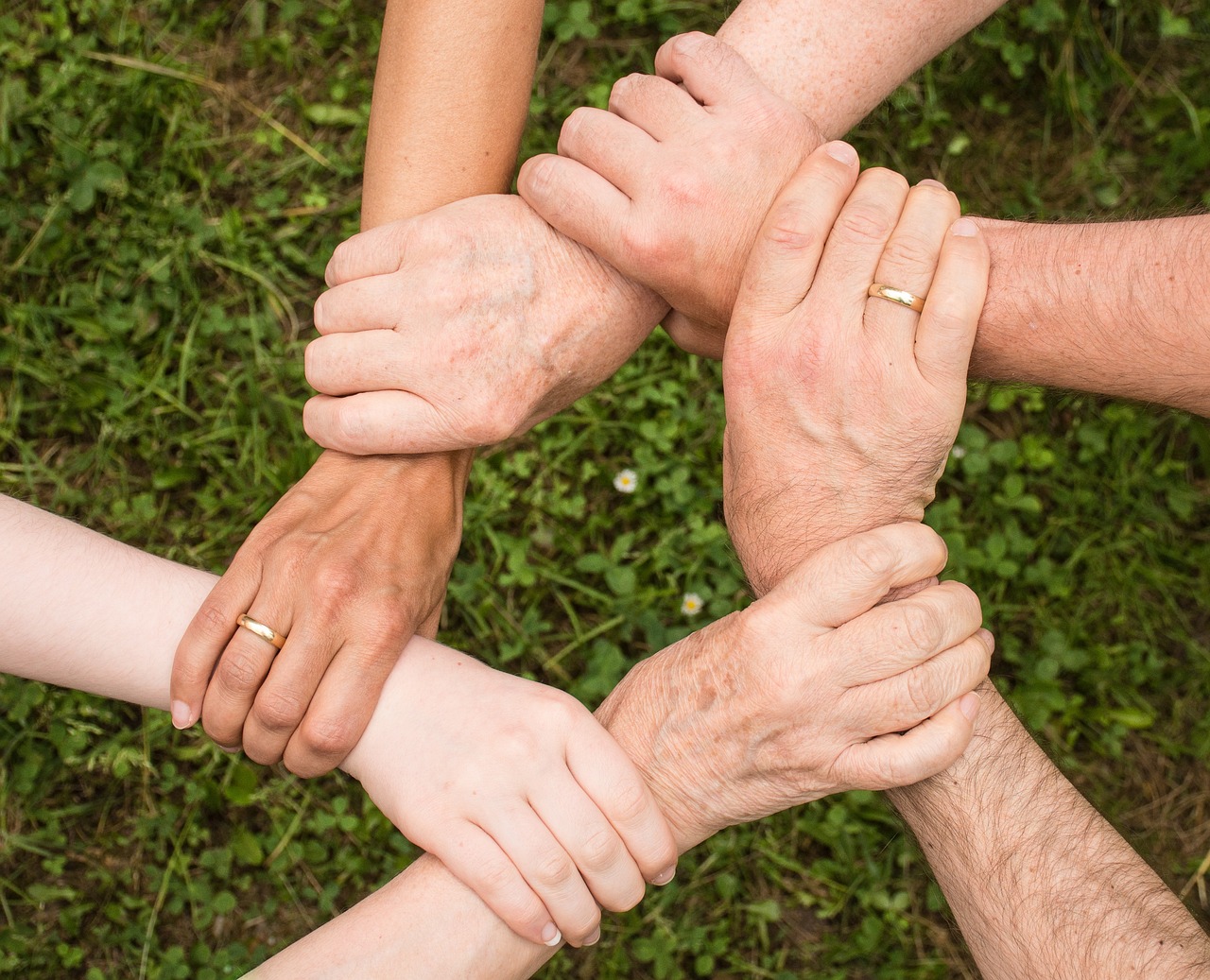


Do Your Leaders Know How to Build Leadership Team Trust?
Trust is the foundation of all healthy relationships — both personal and professional. Within a team, it creates the conditions for higher team performance, innovation, and collaboration. You know trust exists in a leadership team when members feel psychologically safe to speak openly, provide honest feedback, and take reasonable risks to learn and grow. Without this foundation, individuals — and the team as a whole—cannot reach their full potential.
This is especially true for leadership teams. Leaders do more than direct — they set the tone, model the desired behaviors, and establish the culture required to execute strategy effectively, in ways that resonate with both people and business objectives. A leadership team that struggles with trust risks misalignment, poor communication, and stalled organizational progress.
Building trust within a leadership team lays the groundwork for a high-trust organizational culture. And high-trust cultures deliver measurable impact. According to the Center for Neuroeconomics Studies, employees in high-trust organizations are:
Leaders who cultivate trust demonstrate transparency, reliability, and empathy. They foster open dialogue, provide constructive feedback without fear of reprisal, and consistently follow through on commitments. When these behaviors are modeled at the top, they ripple across the organization, creating an environment where employees feel valued, empowered, and motivated to excel.
Leadership Teams With Low Levels of Trust
Picture a leadership team operating without trust. Unfortunately, these teams are all too common — and their dysfunction often spreads across the organization. In the absence of trust, workplace politics dominate, suspicion colors every interaction, strategy retreats are ineffective, and turf wars over limited resources become the norm. Leaders on low-trust teams prioritize their individual success over collective goals, working in silos rather than collaborating to achieve the broader mission. The result is misalignment, slowed decision-making, and a culture where potential — and performance — never fully materializes.
Leadership Teams with High Levels of Trust
What does a high-trust leadership team look like? It is defined by mutual respect, open dialogue, and candid discussions where differing viewpoints are valued rather than suppressed. Competition is healthy, not destructive — collaboration is the default. Organizational goals and accountabilities are not just stated; they are clearly understood, genuinely agreed upon, and embraced by every leader.
On these executive teams, all members are aligned, moving cohesively toward shared objectives, and consistently supporting one another to drive results that benefit both the business and its people.
Which type of team does your leadership group resemble? Few teams are entirely one way or the other — but if you agree that building trust is essential for leadership effectiveness, there are concrete steps you can take to strengthen it.
Leadership simulation assessment data shows that most leaders define trust as the right combination of:
Character: doing the right thing consistently
Motivation: genuinely having each other’s backs
Competence: the ability to succeed in one’s role
Ask yourself: does your leadership team demonstrate enough character, motivation, and competence to be fully trusted?
Identifying gaps in any of these areas is the first step toward building the high-trust culture essential for organizational success.
Extending trust isn’t just symbolic; it has a tangible impact. Neuroscience shows that when trust is granted, it triggers a positive response in the brain, encouraging others to reciprocate. In leadership teams, this creates a virtuous cycle: the more trust you give, the more trust you receive, reinforcing collaboration, openness, and collective success.
The Bottom Line
Trust begins at the top and flows throughout the organization. A leadership team that models high trust sets the standard for how teams operate, communicate, and collaborate. If your leaders fall short, the organization suffers — performance stalls, engagement declines, and the culture needed to execute strategy effectively is undermined. Building and sustaining trust at the leadership level is not optional; it is essential for achieving meaningful, lasting results.
To learn more about how to build leadership team trust, download 29 Ways to Build and Maintain Trust as a Leader

Tristam Brown is an executive business consultant and organizational development expert with more than three decades of experience helping organizations accelerate performance, build high-impact teams, and turn strategy into execution. As CEO of LSA Global, he works with leaders to get and stay aligned™ through research-backed strategy, culture, and talent solutions that produce measurable, business-critical results. See full bio.
Apr 06,2026
 0
0
Mar 23,2026
0

Mar 19,2026
0

Mar 16,2026
0

Mar 09,2026
0
Mar 05,2026
0

Feb 11,2019
12 K
Apr 18,2017
10 K
Nov 20,2016
6 K

Oct 02,2017
5 K
Explore real world results for clients like you striving to create higher performance