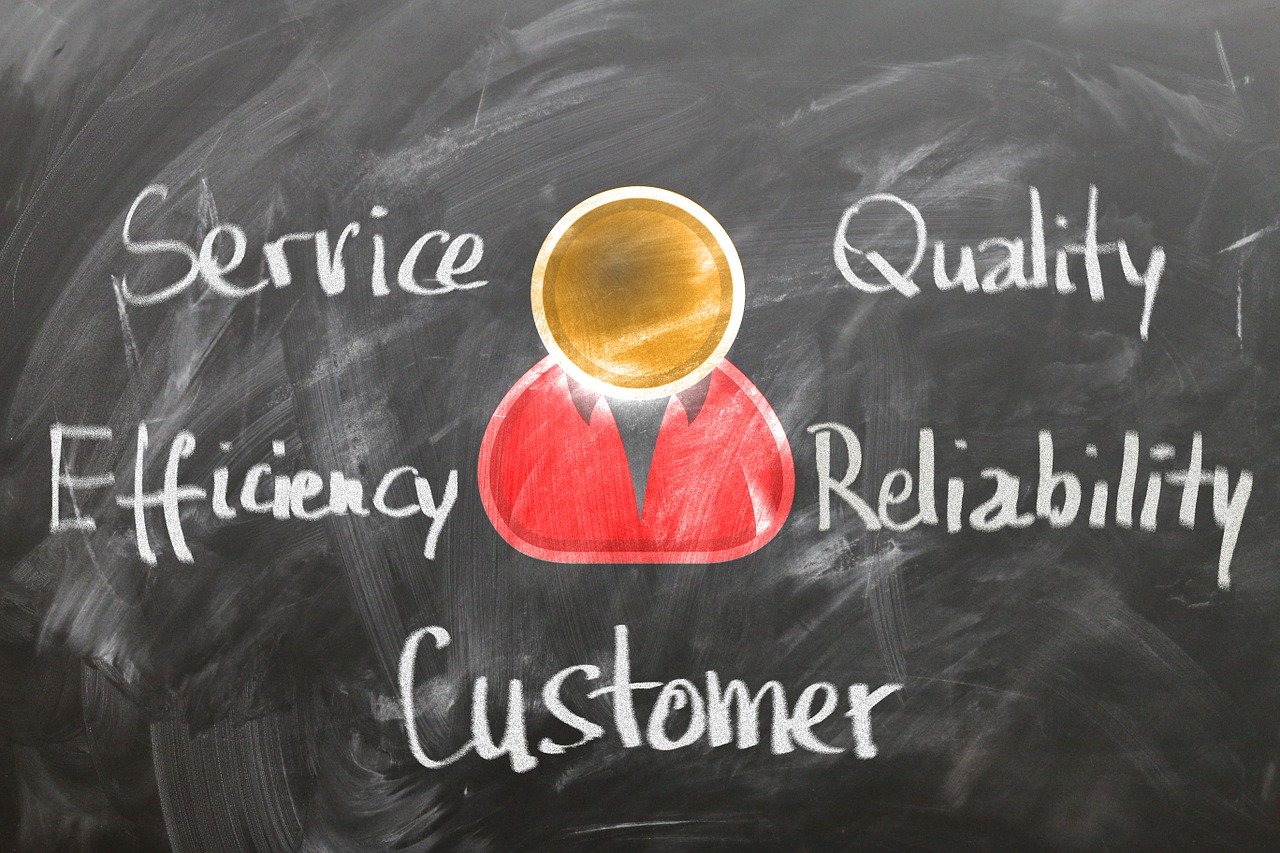


Why the Customer Experience Matters
As consumers, we have all felt the impact of the customer experience — both good and bad — on how we perceive a company, its brand, and whether we remain loyal. As employees, we know that a well aligned customer experience makes work easier, clearer, and more fulfilling. Yet as leaders, customer centricity is often where strategy execution breaks down.
The gap between perception and reality is striking. A Bain survey of customers across 362 companies found that only 8 percent described their experience as “superior,” while 80 percent of those same companies believed they were delivering a superior experience. Most organizations think they are customer-focused. Very few actually are.
Customer experience is not a slogan or a service initiative. It is how customers react to and feel about every direct and indirect interaction with your organization — from sales and service to billing, digital channels, and follow-through. And as technology advances and competition intensifies, customer expectations continue to rise. Today’s customers expect experiences that are fast, easy, personalized, value-added, and consistent — regardless of how or where they engage with you.
Missing the mark on any one of those dimensions doesn’t just frustrate customers. It erodes trust, loyalty, and long-term value.
An Aligned Customer Experience Delivers Value
If you want your business to thrive, assess your corporate culture so that you can evaluate the way your customers experience every aspect of your business. To create a customer experience that aligns with your organization’s values, purpose, culture, and strategy, you must thoughtfully work with your entire organization to understand at each level how to consistently deliver the best customer experience possible.
Recent research by Accenture found that companies that create a simpler, more engaging customer experience across all customer-facing functions are 26% more likely to achieve the highest levels of:
To create a truly aligned and customer-centric culture, the entire organization must work out the “why” and the “how” from your customers’ point of view. You will need to:
The Bottom Line
To build an aligned customer experience, leaders must create strategic clarity, have a deep understanding of the current state, and design an end-to-end customer experience that matters.
To learn more about how to successfully redesign your customer experience, download How to Mobilize Your Change Initiative

Tristam Brown is an executive business consultant and organizational development expert with more than three decades of experience helping organizations accelerate performance, build high-impact teams, and turn strategy into execution. As CEO of LSA Global, he works with leaders to get and stay aligned™ through research-backed strategy, culture, and talent solutions that produce measurable, business-critical results. See full bio.
Mar 23,2026
 0
0

Mar 19,2026
0

Mar 16,2026
0

Mar 09,2026
0
Mar 05,2026
0

Mar 02,2026
0

Feb 11,2019
12 K

Apr 18,2017
10 K

Nov 20,2016
6 K

Oct 02,2017
5 K
Explore real world results for clients like you striving to create higher performance