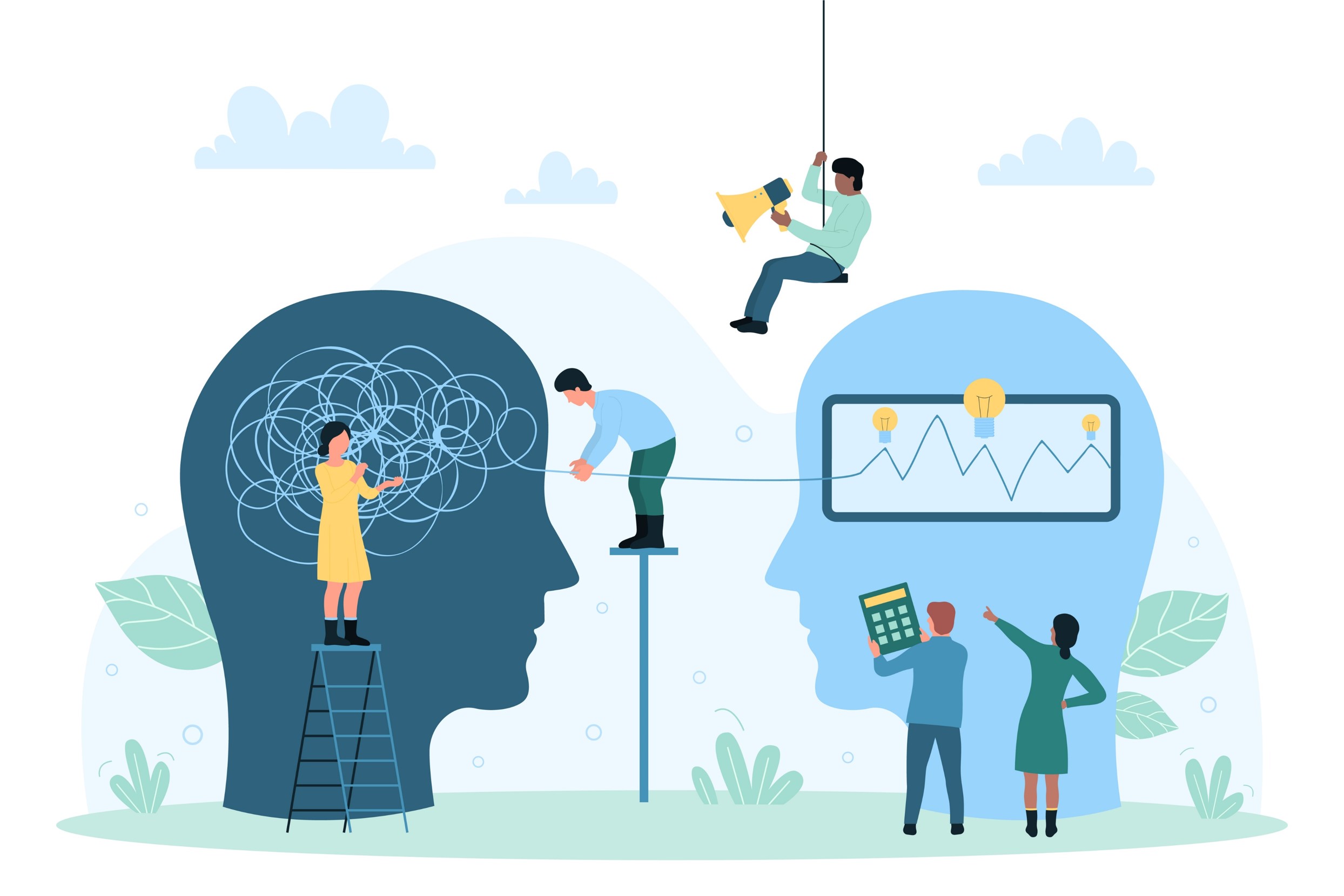


Navigating the 5 Phases of Organizational Change
High performing organizations adapt quickly and effectively. Whether responding to market disruption, technological advances, evolving customer expectations, or competitive pressures, organizational culture assessment data shows that leaders are under constant pressure to transform how their organizations operate.
Yet organizational change remains notoriously difficult. Change management simulation research consistently shows that most change initiatives fail to achieve their intended outcomes. Employees often view new initiatives skeptically, assuming they will become another short-lived program that eventually fades away allowing the status quo to reign supreme.
At the same time, experienced change leaders understand that transformation rarely follows a straight line. Organizational change is not a carefully scripted journey with a precise roadmap. It is a dynamic process that requires continuous:
Like early explorers navigating unfamiliar territory, leaders must move forward with a clear destination in mind while remaining flexible enough to respond to unexpected challenges and opportunities along the way.
Understanding the typical phases of organizational change can help leaders set realistic expectations, anticipate obstacles, and increase the likelihood of sustainable success.
Successful organizational change is rarely a single event. Instead, it unfolds through a series of interconnected phases that help organizations move from the current state to a desired future state. While every transformation is unique, most successful change efforts follow five distinct change management consulting phases.
Effective change visions go beyond corporate slogans. They create a shared understanding of the future, connect the change to organizational goals, and help employees see their role in making the transformation successful
When people understand both the rationale and the destination, they are far more likely to engage in the journey.
This phase focuses on creating alignment and commitment across leaders, managers, and employees while addressing concerns, developing new change management skills, and empowering people to contribute to the change effort.
Without widespread commitment, even the most promising initiatives struggle to gain traction.
Change resistance is not necessarily a sign of failure. In many cases, it reflects uncertainty, competing priorities, concerns about competence, or legitimate questions about the path forward.
Successful leaders address resistance through honest and transparent communication, active involvement, and consistent reinforcement. Rather than viewing resistance as an obstacle, they use it as valuable feedback that can strengthen implementation efforts.
This phase requires leaders to translate vision into action while remaining agile enough to adjust based on new information and emerging challenges. The most effective organizations treat implementation as an ongoing learning process rather than a rigid execution plan.
Continuous feedback, experimentation, and rapid course corrections help sustain progress and improve outcomes.
To sustain change momentum, leaders must reinforce desired behaviors, align systems and processes with the new direction, and celebrate meaningful progress. Accountability, recognition, and continuous learning play critical roles in preventing regression to old habits.
When new ways of working become embedded in the culture, change evolves from an initiative into a lasting organizational capability.
The Bottom Line
Organizational change is not a single event but an ongoing journey that requires vision, commitment, adaptability, and persistence. By understanding and proactively managing the five phases of organizational change, leaders can anticipate challenges, reduce resistance, and improve the odds of achieving meaningful and sustainable results. Organizations that navigate these phases effectively are better positioned to adapt, compete, and thrive.
To gain a deeper understanding of what separates successful transformations from failed change efforts, download The 5 Science-Backed Perspectives That Drive Successful Change Leadership

Tristam Brown is an executive business consultant and organizational development expert with more than three decades of experience helping organizations accelerate performance, build high-impact teams, and turn strategy into execution. As CEO of LSA Global, he works with leaders to get and stay aligned™ through research-backed strategy, culture, and talent solutions that produce measurable, business-critical results. See full bio.



Aug 17,2026
 0
0

Feb 11,2019
13 K
Apr 18,2017
11 K

Nov 20,2016
6 K

Oct 02,2017
6 K
Explore real world results for clients like you striving to create higher performance