

How to Best Handle Change Resisters
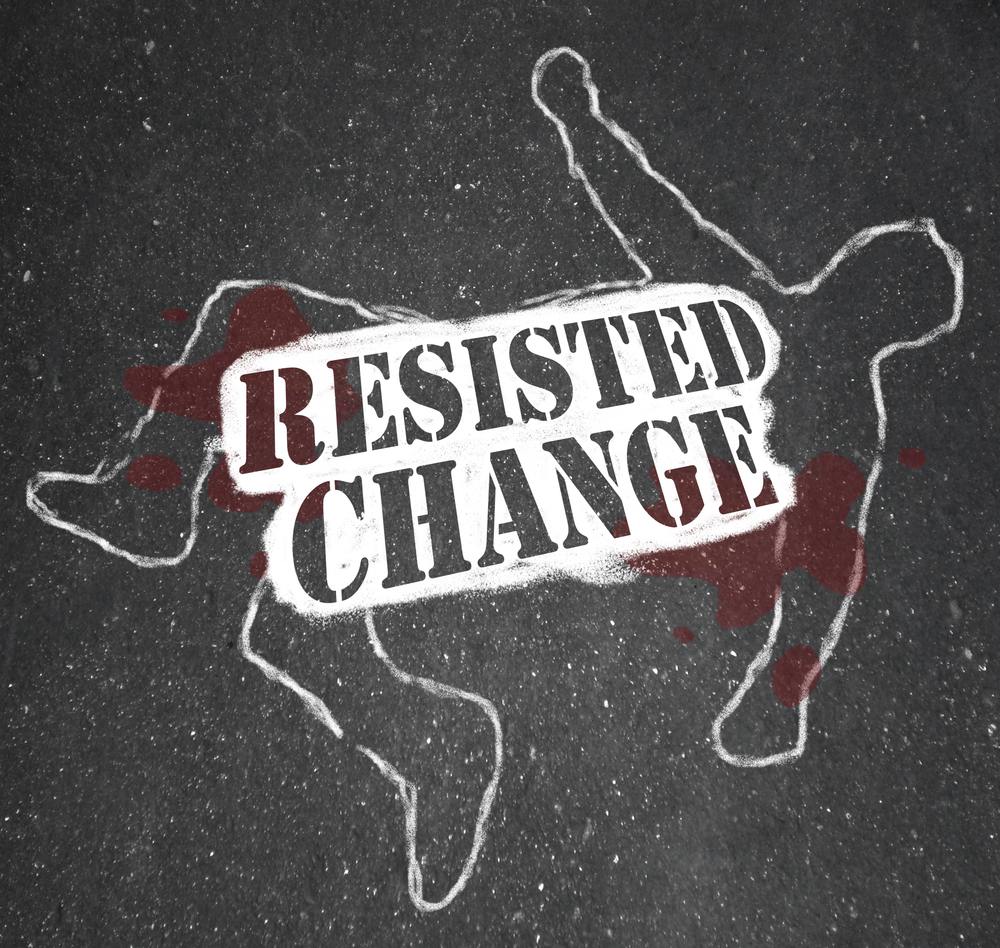
This graphic may paint a simplistic picture, but it underscores a critical truth: how you engage with change resisters can make or break your initiative. The good news is that change management consulting experts experts offer proven, practical approaches — far more constructive than drastic measures — to help even the most resistant team members embrace organizational change.
Of Course, Change is Hard
Let’s be honest: organizational change is never easy — whether you’re leading change it or experiencing it. Most of us naturally cling to the status quo because it feels safe, familiar, and predictable. Yet change management training research shows that thriving — and often just surviving — in today’s business environment demands flexibility, adaptability, and a willingness to embrace change.
The Organizational Change Basics
Of course, there are ways to effect change that sticks. You need to be able to:
Even when you’ve nailed the fundamentals of organizational change, there will always be employees who resist. Drawing on more than twenty years of change management simulation data, here’s proven guidance for how to effectively handle change resisters and naysayers.
Remember it is about those affected by change, not you.
To better handle change resisters make sure that they feel heard and taken seriously. Learn why they feel that the desired changes may not be in the best interests of the company, the team, or them individually. Have empathy for their situation. Change resisters may be fearful that there will be no place for them in the “new” order or that they will lose influence.
Be empathetic. Provide straightforward and honest answers. And make sure that you truly understand their concerns and doubts.
Most change resisters will adjust, albeit more slowly than the rest. But if they are not cooperative, you may need to help them move on. They cannot continue to be on the team; their negative pull will drag the whole team down.
Are you communicating a compelling vision for change?
The Bottom Line
Your job as a change leader is to get people to follow the new method of doing things in a way that makes sense. You need each and every team member to be part of the solution — not the problem. Work with change resisters to help them understand and appreciate why the changes are necessary and what you expect from them.
To learn more about how to handle change resisters, download How to Successfully Recognize and Reward Organizational Change

Tristam Brown is an executive business consultant and organizational development expert with more than three decades of experience helping organizations accelerate performance, build high-impact teams, and turn strategy into execution. As CEO of LSA Global, he works with leaders to get and stay aligned™ through research-backed strategy, culture, and talent solutions that produce measurable, business-critical results. See full bio.

Mar 19,2026
 0
0

Mar 16,2026
0

Mar 02,2026
0

Feb 23,2026
0

Feb 12,2026
0

Feb 12,2026
0

Feb 11,2019
12 K

Apr 18,2017
10 K

Nov 20,2016
6 K

Oct 02,2017
5 K
Explore real world results for clients like you striving to create higher performance