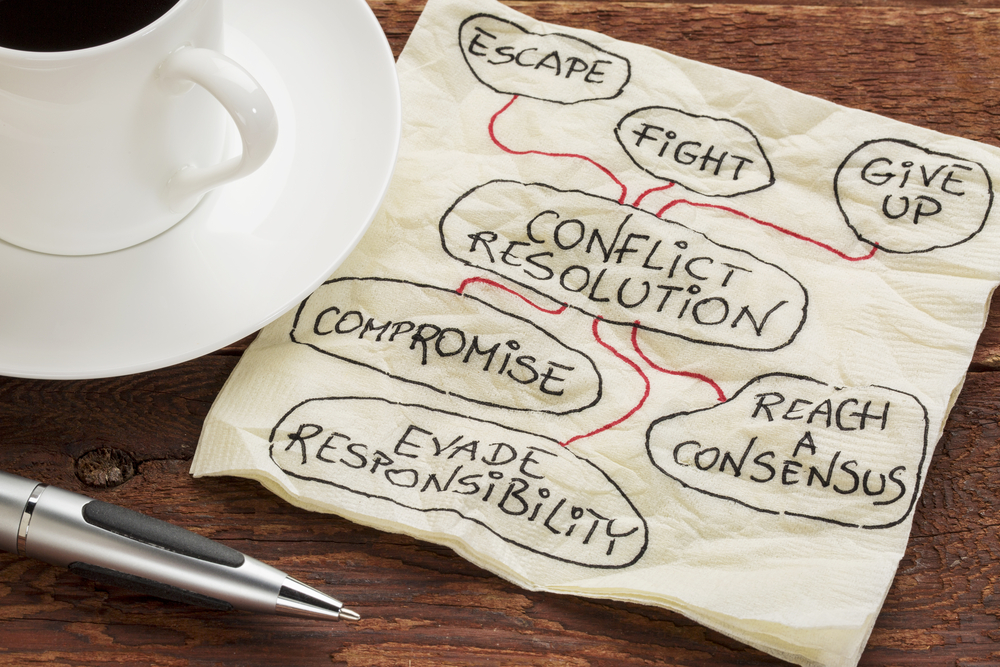


Navigating Politics at Work is Not Going Away
Navigating politics at work is not something that leaders, managers or employees can ignore if they want to influence others, advance their careers, and make an impact. This is especially true if their is any:
A lack of clarity about what matters most opens the door for potentially toxic workplace politics and undermines what is required to build a high performance culture.
How to “Play the Game”
While most employees report a strong preference to avoid politics at work, some political skills at work are required to thrive in almost every organization. Most ambitious employees know that navigating politics at work is required to advance their career and influence others in a way that fits cultural expectations, team norms, and corporate values. In other words, being “political at work” does not have to be unethical, manipulative, or unproductive — strategic influence can be done integrity and a positive impact.
Political Savvy Skills are Lacking
Unfortunately, when we assess organizational culture or review data from our Corporate Leadership and Management Development Programs, we consistently find one area lacking — the ability to effectively navigate politics at work.
Ask any executive — each business day, a corporate version of “survival of the fittest” is played out. Power plays, turf battles, deception, and cultural sabotage block individuals’ career progress and threaten companies’ resources and results.
As a leader, if you are observing any of the following warning signs at your organization, you are witnessing typical “closed shop” behavior telling you that Workplace Politics should be part of your executive and leadership development programs.
The Bottom Line
If you are seeing any of these seven warning signs, your organization has a political capability gap that is already eroding performance or will do so soon. When people lack the skills to navigate workplace politics with integrity, culture weakens, trust frays, and execution slows. Over time, this makes it harder to attract, develop, engage, and retain the talent required to deliver on your business strategy.
To learn more about equipping managers and leaders to better navigate politics at work, download, How to Build the Competency of Organizational Savvy

Tristam Brown is an executive business consultant and organizational development expert with more than three decades of experience helping organizations accelerate performance, build high-impact teams, and turn strategy into execution. As CEO of LSA Global, he works with leaders to get and stay aligned™ through research-backed strategy, culture, and talent solutions that produce measurable, business-critical results. See full bio.
Mar 02,2026
 0
0

Feb 23,2026
0

Feb 12,2026
0

Feb 12,2026
0

Feb 05,2026
0

Feb 02,2026
0

Feb 11,2019
12 K

Apr 18,2017
10 K

Nov 20,2016
6 K

Oct 02,2017
5 K
Explore real world results for clients like you striving to create higher performance