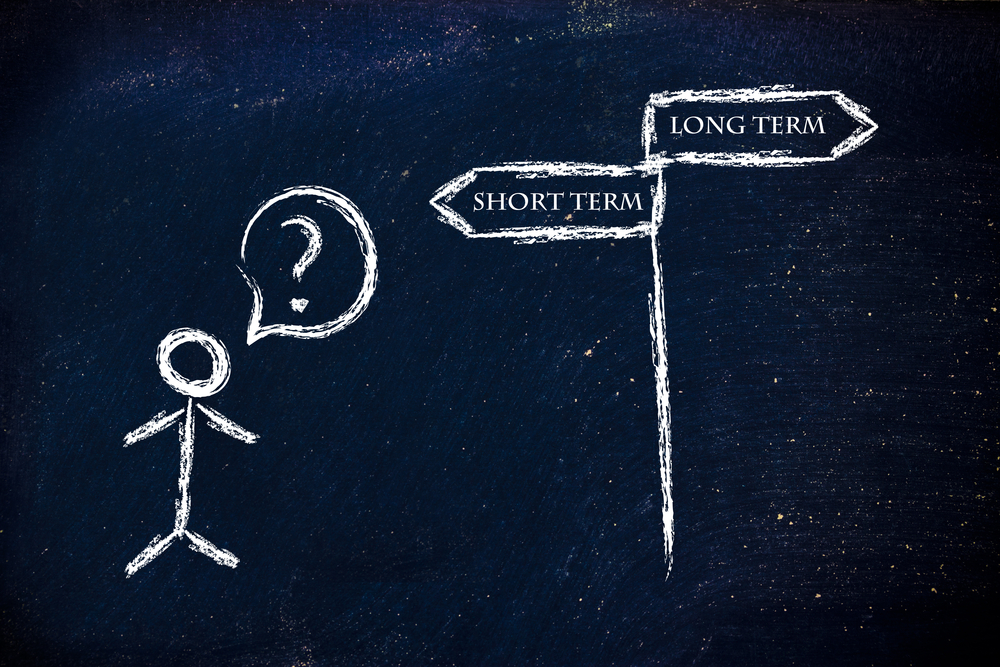


A Culture of Change at Work to Support Short- and Long-term Success
The ability to create a culture of change at work is not about more corporate communications or change management training. While both can help, building an agile culture is about fundamentally reshaping how work gets done — especially when the stakes are high and the future is uncertain. In healthy and high performing organizations, change is not episodic. It is woven into daily behaviors, leadership expectations, decision making, and operating rhythms.
Why You Need a Culture of Change at Work
Strategy only delivers results when culture reinforces it. Without that cultural alignment, performance gains are limited and short-lived. In fact, organizational alignment research found that strategy and culture alignment factors account for 71% of the difference between high and low performing companies in terms of:
Savvy leaders know that the business practices, team norms and company values that drove success yesterday rarely sustain it tomorrow. Markets shift, technologies evolve, and customer expectations rise — often faster than formal strategies can keep up.
A culture of change at work prepares the organization to adapt ahead of the curve by encouraging employees to continually rethink how they think, behave, and work vis-a-vis your strategic priorities. When strategic-driven change becomes a shared mindset rather than a disruptive event, innovation accelerates and strategy execution keeps pace with strategic ambition.
If your organization wants change to translate into results, culture cannot be left to chance. Decades of organizational culture evaluation research show that long-term performance improves only when leaders intentionally reshape behaviors, norms, and systems. These five steps define where to start.
The Bottom Line
Change management consulting experts know that a true culture of change is built through clarity, credible leadership behavior, aligned systems, distributed capability, and relentless learning. When these elements reinforce one another, change stops being a fad or a threat and becomes the normal way work gets done.
If you want to learn more about how to create a culture of change, download 3 Levels of Culture that Must Be Addressed for Lasting Culture Change

Tristam Brown is an executive business consultant and organizational development expert with more than three decades of experience helping organizations accelerate performance, build high-impact teams, and turn strategy into execution. As CEO of LSA Global, he works with leaders to get and stay aligned™ through research-backed strategy, culture, and talent solutions that produce measurable, business-critical results. See full bio.
Mar 23,2026
 0
0
Mar 19,2026
0

Mar 16,2026
0
Mar 09,2026
0
Mar 05,2026
0
Mar 02,2026
0

Feb 11,2019
12 K
Apr 18,2017
10 K
Nov 20,2016
6 K

Oct 02,2017
5 K
Explore real world results for clients like you striving to create higher performance