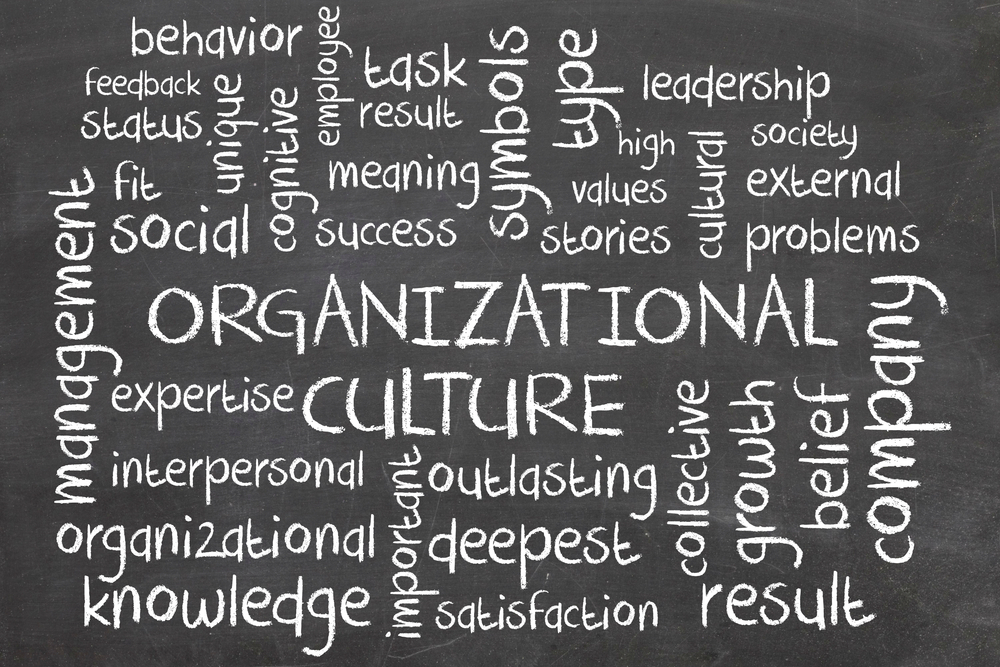


Definition of a Healthy Corporate Culture
We define culture as how work actually gets done. A healthy corporate culture exists when an organization’s values, behaviors, and business practices are consistently aligned and actively reinforced across every level of the company. It creates an environment where employees can perform at their best, collaborate effectively, adapt to change, and grow professionally while contributing to shared business goals.
At its core, organizational health reflects the extent to which employees experience:
Healthy cultures do not happen accidentally. They are intentionally shaped by leadership behaviors, operating norms, communication patterns, and shared accountability.
Values and a Healthy Corporate Culture
Corporate values define what an organization stands for collectively. They guide decision-making, shape leadership behavior, and establish expectations for how people work together.
Research and leadership assessment data consistently show that organizations with clearly defined and consistently demonstrated values are better equipped to:
When values are lived daily — rather than framed on a wall — they become the foundation of a high-performance culture.
Minimum Levels of Organizational Health
Organizational culture exists on a continuum ranging from healthy and aligned to unhealthy and dysfunctional. Every company experiences challenges, but thriving organizations maintain minimum standards of trust, respect, communication, and accountability that allow people and teams to perform effectively under pressure.
Without these foundational elements, even strong strategies, talented employees, and market advantages become difficult to sustain.
How Would You Characterize Your Business Culture?
Culture reveals itself in the everyday behaviors that define how work gets done. Consider the employee experience inside your organization:
Because strategy must move through culture to become reality, organizations that intentionally cultivate a healthy corporate culture are better positioned for long-term growth, agility, and performance.
Unhealthy Corporate Cultures
Even highly successful organizations can suffer from unhealthy workplace cultures. Over time, project postmortem data shows that toxic behaviors erode trust, reduce engagement, weaken collaboration, and limit innovation.
Common warning signs include:
Research from MIT Sloan Management Review found that toxic corporate culture was over 10 times more predictive of employee attrition than compensation. Similarly, Gallup research continues to show that disengaged employees significantly reduce productivity, profitability, and customer satisfaction.
The long-term consequences are difficult to ignore: lower performance, slower growth, weakened strategy execution, and declining employee trust.
Organizations with powerful workplace cultures consistently share several defining characteristics.
The Bottom Line
Research on organizational alignment finds that culture accounts for 40% of the difference between high- and low-performing organizations. Because strategy execution depends on people, leadership behaviors, and workplace norms, organizations with a healthy corporate culture are far more likely to sustain performance, innovation, engagement, and growth over time.
To learn more about how a healthy workplace culture fits into high performance, download The 3 Levels of a High Performance Culture to Get Right

Tristam Brown is an executive business consultant and organizational development expert with more than three decades of experience helping organizations accelerate performance, build high-impact teams, and turn strategy into execution. As CEO of LSA Global, he works with leaders to get and stay aligned™ through research-backed strategy, culture, and talent solutions that produce measurable, business-critical results. See full bio.



Aug 17,2026
 0
0

Feb 11,2019
13 K

Apr 18,2017
11 K

Nov 20,2016
6 K

Oct 02,2017
6 K
Explore real world results for clients like you striving to create higher performance