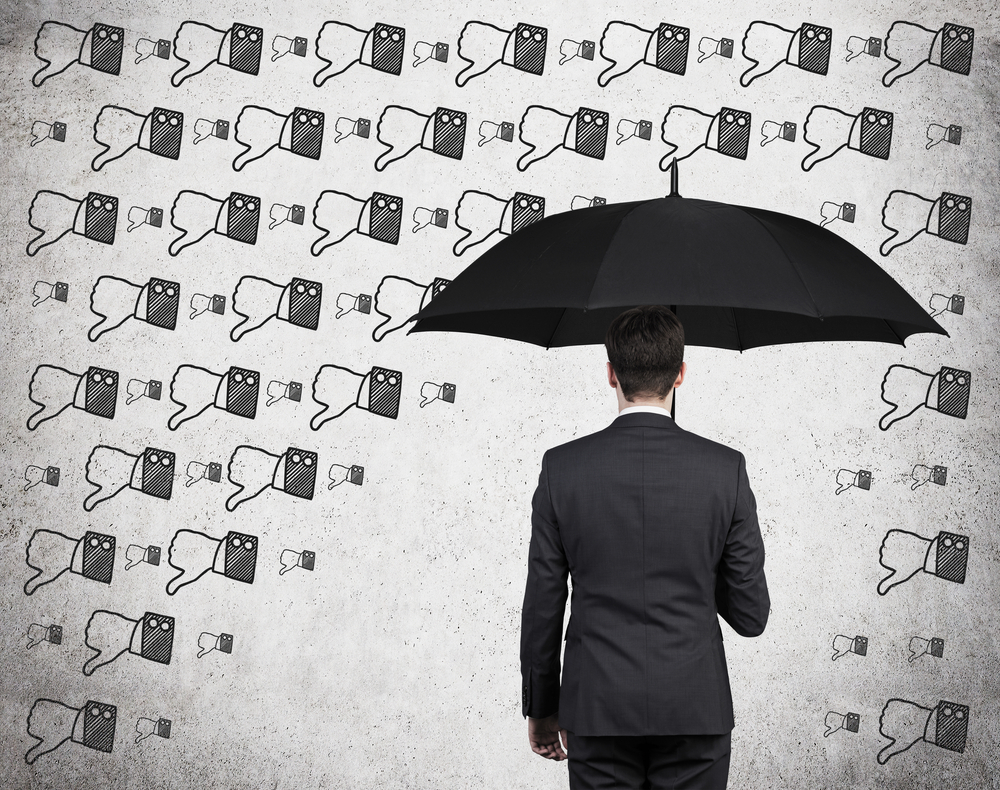


How to Better Receive Negative Feedback
Most managers are trained to give performance feedback. Far fewer are skilled at receiving it — especially when that feedback feels uncomfortable, critical, or unfair. Yet the ability to better receive negative feedback with composure and curiosity is just as essential to sustained leadership effectiveness as delivering it well.
In our organizational culture assessments, employees consistently report that too many leaders dismiss, discount, or take offense at feedback that challenges their self-image. Even more damaging, upward feedback is often acknowledged and then quietly ignored. When people see that speaking up leads nowhere — or worse, carries personal risk — trust erodes quickly. Commitment follows it out the door.
Leaders who truly want to build a high performance culture must model what they expect from others:
How you respond in the moment of criticism sends a powerful signal about psychological team safety, credibility, and whether feedback in your organization is performative or real.
A Big Feedback Mistake
Reacting defensively to negative feedback is a costly leadership error. When leaders bristle, explain away the input, or shut it down entirely, they model exactly the opposite of what they expect from their teams. The message is clear — feedback is acceptable in theory, but not in practice.
Even worse, defensive reactions squander a rare opportunity. Candid feedback offers insight into how a leader’s behavior is actually experienced, not how it was intended. That gap between intent and impact is where real learning lives. When leaders lean into the discomfort instead of resisting it, they create space for a productive dialogue, strengthen trust, and surface issues that would otherwise remain unspoken — often until they show up as disengagement, reduced performance, or attrition.
The Bottom Line
If you cannot receive negative feedback with openness and discipline, you forfeit the right to expect your team to do so. New managers, in particular, are always under the microscope — how you handle criticism quickly becomes the standard others follow. Performance improvement is not a one-way street. The same rigor, humility, and dependability you demand from your team must apply to you as well.
To learn more about how to better receive negative feedback, download 8 Reasons Why Leaders Need 360 Feedback

Tristam Brown is an executive business consultant and organizational development expert with more than three decades of experience helping organizations accelerate performance, build high-impact teams, and turn strategy into execution. As CEO of LSA Global, he works with leaders to get and stay aligned™ through research-backed strategy, culture, and talent solutions that produce measurable, business-critical results. See full bio.

Mar 23,2026
 0
0

Mar 19,2026
0

Mar 16,2026
0
Mar 09,2026
0
Mar 05,2026
0
Mar 02,2026
0

Feb 11,2019
12 K

Apr 18,2017
10 K

Nov 20,2016
6 K

Oct 02,2017
5 K
Explore real world results for clients like you striving to create higher performance