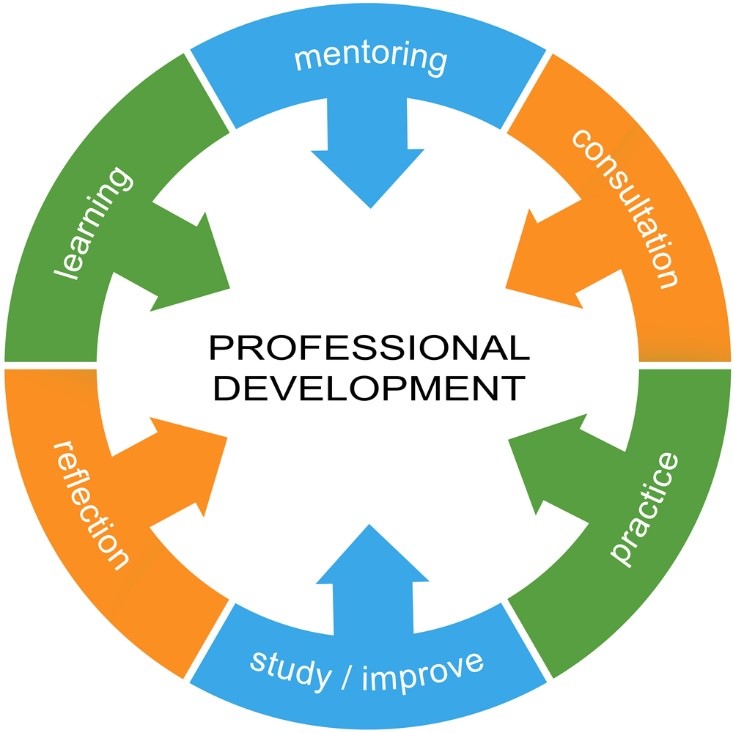


L&D in Today’s Organizations
When it works, a strong learning and development strategy does more than build skills — it enables sustained performance at both the individual and organizational level. At its core, most Learning and Development (L&D) functions exist to strengthen critical capabilities that fuel career growth, engagement, retention, and productivity. In other words, getting corporate L&D right should be a business imperative.
That has not always been the case. For years, L&D was an underfunded and often overlooked extension of Human Resources, viewed more as a discretionary perk than a organizational performance lever. Training was something organizations offered, not something they strategically used. That mindset has shifted. Today, companies competing for scarce talent and higher performance increasingly see L&D as a strategic asset — one that directly influences their ability to execute strategy, adapt to change, and outperform competitors. And the research supports this shift in thinking:
Unfortunately, generating a meaningful return on corporate learning investments is far easier to talk about than to achieve. A recent ATD study found that only 38% of managers believe their learning programs actually meet learners’ needs. That gap should raise eyebrows — but it does not surprise us.
Our own training measurement research tells a similar story. Only one in five participants meaningfully changes on-the-job behavior as a result of standalone training, regardless of how well the program is designed or how satisfied participants say they are. In other words, high-quality content and positive reactions do not reliably translate into improved performance. Without reinforcement, accountability, and real-world application, even the best training struggles to move the needle where it matters most.
When it is done well, corporate learning delivers value on two fronts at once — it improves individual capability and advances the business. Our organizational alignment research is clear on this point: relevance and meaning are what separate average performance from high performance.
Create High Levels of Relevance and Meaning
No matter the delivery method, an effective L&D function anchors itself to the realities of the business. That means tight alignment with business strategy, a clear understanding of the organization’s culture, and a direct connection to talent management priorities. When learning operates in isolation, impact evaporates.
For training to matter, employees, their managers, and senior leaders must clearly see how learning connects to what they care about most — stronger engagement, higher retention, and better on-the-job performance. They also need to recognize that every learning interaction is more than a content transfer. It is an opportunity to strengthen relationships, reconnect people to the strategy, reinforce the desired culture, and encourage collaboration across functions and silos.
The real question is not whether your programs are well designed or well received. It is whether they are:
The Bottom Line
Peak performance does not happen by accident. It requires deliberate investment in reskilling and upskilling talent in ways that serve both individual growth and the organization’s strategic priorities. When corporate L&D is treated as a critical business function — not a side cost center — it strengthens capability, reinforces culture, and drives measurable business results. The real test is not whether you are offering learning, but whether your approach is genuinely equipping your workforce to succeed today while preparing the business for what comes next.
To learn more about how to get corporate L&D right, download The 5 Most Common Training Function Strategies and Key Mistakes to Avoid

Tristam Brown is an executive business consultant and organizational development expert with more than three decades of experience helping organizations accelerate performance, build high-impact teams, and turn strategy into execution. As CEO of LSA Global, he works with leaders to get and stay aligned™ through research-backed strategy, culture, and talent solutions that produce measurable, business-critical results. See full bio.

Feb 12,2026
 0
0

Feb 02,2026
0

Jan 26,2026
0

Jan 22,2026
0
Jan 19,2026
0

Jan 10,2026
0

Feb 11,2019
12 K

Apr 18,2017
10 K

Nov 20,2016
5 K

Oct 02,2017
5 K
Explore real world results for clients like you striving to create higher performance