


Did You Know Some Employee Rewards Do NOT Stimulate Better Behavior?
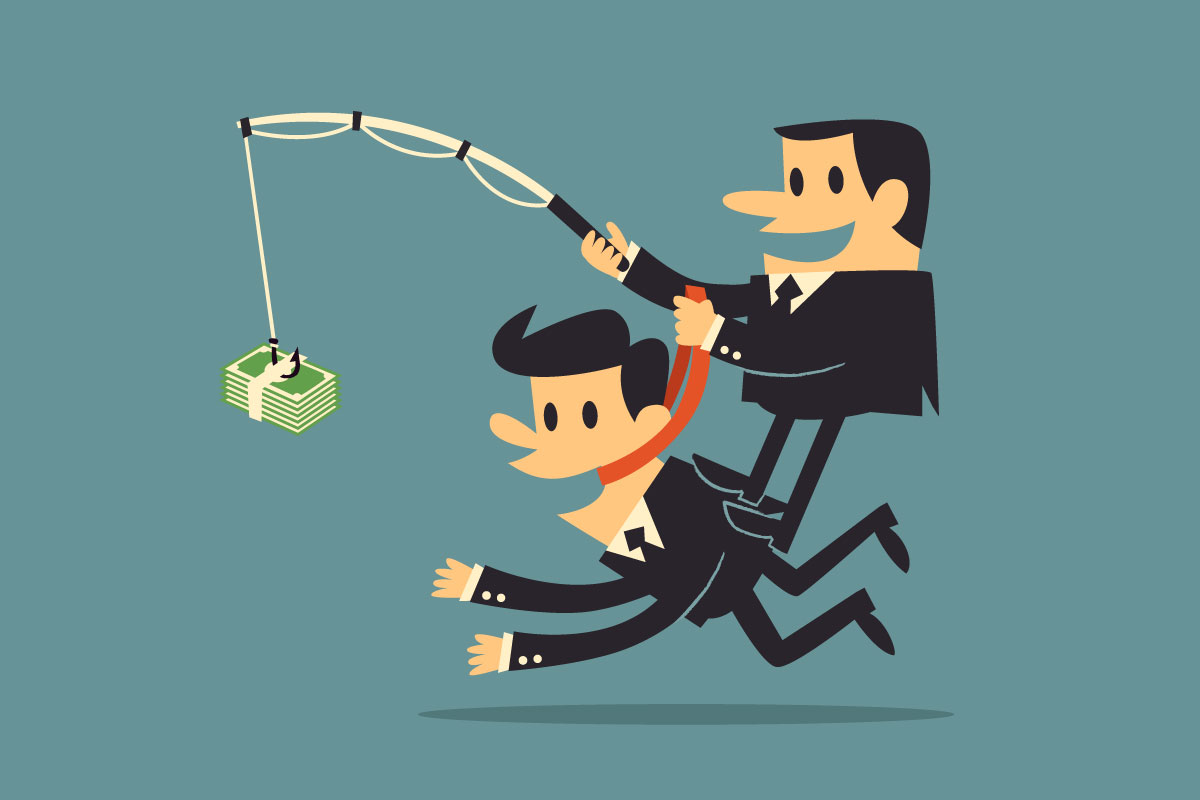
If you have ever led a team, you already know the uncomfortable truth: some employee rewards fail to improve performance and can even make things worse. Our work assessing organizational cultures consistently shows that ineffective employee rewards often reinforce the wrong behaviors, undermine collaboration, and create unintended consequences that leaders never intended.
Employee Reward and Behavior Research
Research from Harvard Business School and Washington University reinforces a counterintuitive reality: rewards do not always produce the behavior changes leaders expect. In one widely cited study at a commercial laundry company, management introduced monthly gift card drawings to reward perfect attendance. Instead of boosting productivity, performance declined significantly — a clear example of how well-intended incentives can backfire when they are misaligned with how people actually work and think.
The analysis revealed that management made several critical missteps that triggered unintended and negative consequences. These are the same pitfalls leaders need to understand and avoid before launching a rewards and recognition program — especially if the goal is to elevate performance rather than inadvertently undermine it.
Experienced talent management leaders assume employees will game the system. That is not a flaw — it is a signal. When rewards and consequences are tightly aligned with strategy and culture, you want people to push hard to achieve their targets in ways that reinforce your values and business priorities.
In the laundry company example, management misdiagnosed the problem. Poor performance was treated as an attendance issue, when attendance was merely correlated — not causal. The lesson is straightforward but often ignored: incentives must be tied to the actual behaviors you want to change, not the most convenient metric to measure.
Too many leaders pour disproportionate time, energy, and incentives into underperformers, hoping to pull them up to standard. Smart leaders take a different approach. They design rewards that are fair, proportionate, and consistently applied — and they deliberately allocate the greatest share of meaningful recognition to top performers, where it reinforces the behaviors that actually drive results.
The Bottom Line
Not all employee rewards drive better behavior — and some can even backfire. To be effective, your engagement initiatives and recognition programs must deliver rewards that are clearly aligned with the behaviors you want to see, genuinely valued by employees, and perceived as fair and proportionate. When designed thoughtfully, rewards reinforce performance, motivate the right actions, and strengthen both culture and business results.
To learn more about avoiding ineffective employee rewards and creating a high performance culture, download How to Design a High Performance Culture to Drive Your Strategy Forward

Tristam Brown is an executive business consultant and organizational development expert with more than three decades of experience helping organizations accelerate performance, build high-impact teams, and turn strategy into execution. As CEO of LSA Global, he works with leaders to get and stay aligned™ through research-backed strategy, culture, and talent solutions that produce measurable, business-critical results. See full bio.

Feb 23,2026
 0
0

Feb 12,2026
0

Feb 12,2026
0

Feb 05,2026
0

Feb 02,2026
0

Jan 26,2026
0

Feb 11,2019
12 K
Apr 18,2017
10 K
Nov 20,2016
6 K

Oct 02,2017
5 K
Explore real world results for clients like you striving to create higher performance