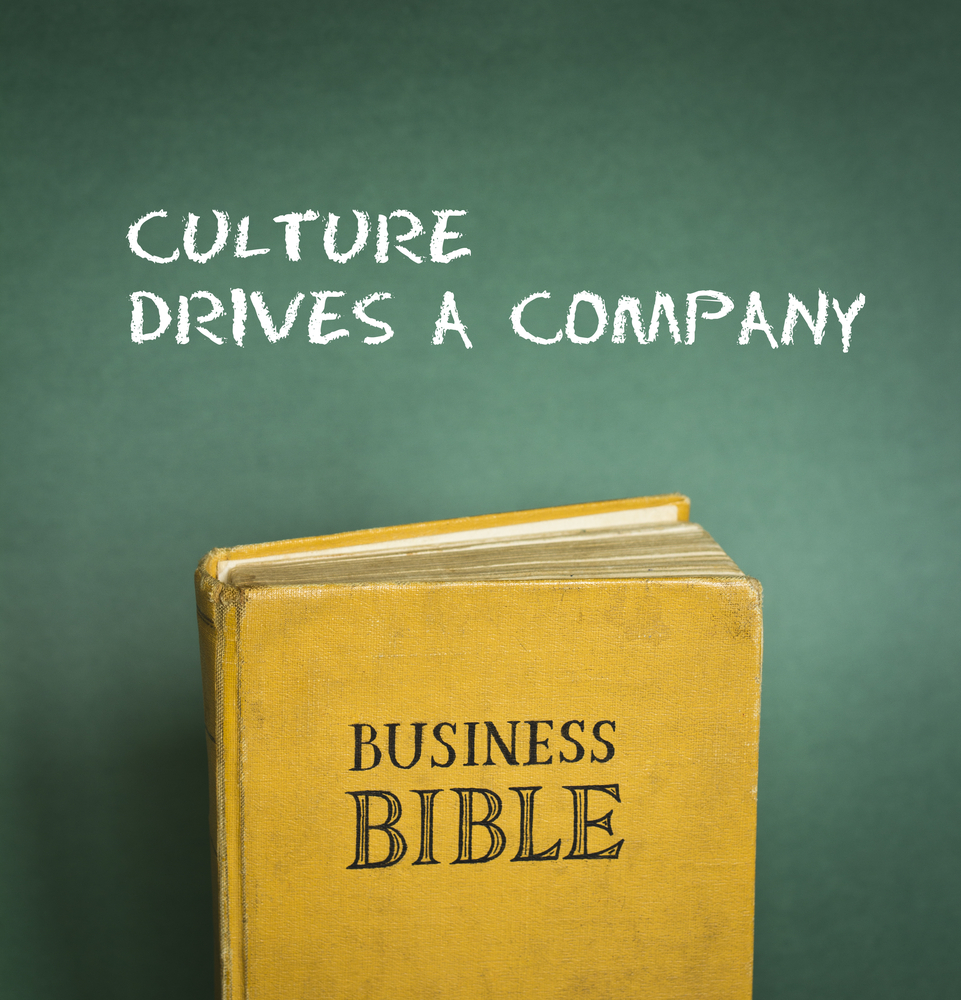


Culture Myths About Values That Can Hold Your Organization Back
Misconceptions about corporate values are surprisingly common — and they can quietly undermine growth. While organizational culture should naturally align with a company’s values, many leaders misunderstand the dynamic between the two. Culture isn’t just a reflection of stated values; it’s the behaviors, decisions, and daily interactions that bring those values to life. When myths about culture and values persist, they create gaps between intention and reality, limiting engagement, performance, and long-term success.
Defining Corporate Values
Corporate values serve as the compass for decision-making, shaping what your organization considers right, wrong, and acceptable. They represent the fundamental beliefs that guide behavior, often reinforced from the moment new employees join and through succession planning processes. When clearly defined and consistently embodied, corporate values form the bedrock of a healthy, high-performing culture, influencing how teams collaborate, innovate, and deliver results.
Defining Corporate Culture
Corporate culture is the reality behind the rules — the way work actually gets done. Unlike formal policies or statements of values, culture is intangible, revealed in the daily behaviors, decisions, and interactions of employees. It reflects how people think, collaborate, and act under real-world pressures, offering a true measure of an organization’s character and effectiveness.
Three Common Corporate Culture Myths Related to Values
Here are three corporate culture myths about the relationship between culture and values:
When genuine values underpin an ethical culture, behavior aligns with intention. But when there’s a disconnect, trouble follows. Consider Enron: the company had a detailed statement of values emphasizing integrity, respect, and excellence. Yet the prevailing culture glorified greed and short-term profit. In practice, decisions were driven not by stated principles, but by what the culture rewarded — demonstrating that values only influence behavior when they are authentically lived, not just written.
Hsieh’s commitment was so strong that he offered new employees $2,000 to leave during their trial period if they didn’t fully embrace the Zappos culture. Only after this culture was firmly established did he turn to defining corporate values — and he didn’t do it alone. Employees themselves crafted the values, ensuring they reflected the lived reality of the organization. This approach underscores a critical lesson: meaningful change is most effective when stakeholders are actively engaged in shaping it.
For instance, early-stage companies often operate with complete transparency, sharing decisions openly across the organization. As the business scales, however, not every detail requires company-wide visibility. Transparency can remain a core value, but the way it’s expressed may need adjustment.
Similarly, decision-making typically starts centralized, with a founder or small leadership team driving the direction. Over time, front-line employees must be empowered to make decisions independently and swiftly to maintain agility. Where and how decisions are made profoundly shapes the culture, reinforcing behaviors, expectations, and accountability throughout the organization.
The Bottom Line
Our research on organizational alignment reveals that workplace culture explains roughly 40% of the performance gap between high- and low-performing companies. Savvy leaders don’t let myths about values cloud their judgment — they assess their current culture rigorously and ensure it is fully aligned with both business objectives and people strategies.
To learn more about how to get the most out of your culture, download The 3 Levels of Culture that You Must Get Right to Create Higher Performance

Tristam Brown is an executive business consultant and organizational development expert with more than three decades of experience helping organizations accelerate performance, build high-impact teams, and turn strategy into execution. As CEO of LSA Global, he works with leaders to get and stay aligned™ through research-backed strategy, culture, and talent solutions that produce measurable, business-critical results. See full bio.
Mar 23,2026
 0
0

Mar 19,2026
0

Mar 16,2026
0
Mar 09,2026
0
Mar 05,2026
0
Mar 02,2026
0

Feb 11,2019
12 K

Apr 18,2017
10 K

Nov 20,2016
6 K

Oct 02,2017
5 K
Explore real world results for clients like you striving to create higher performance