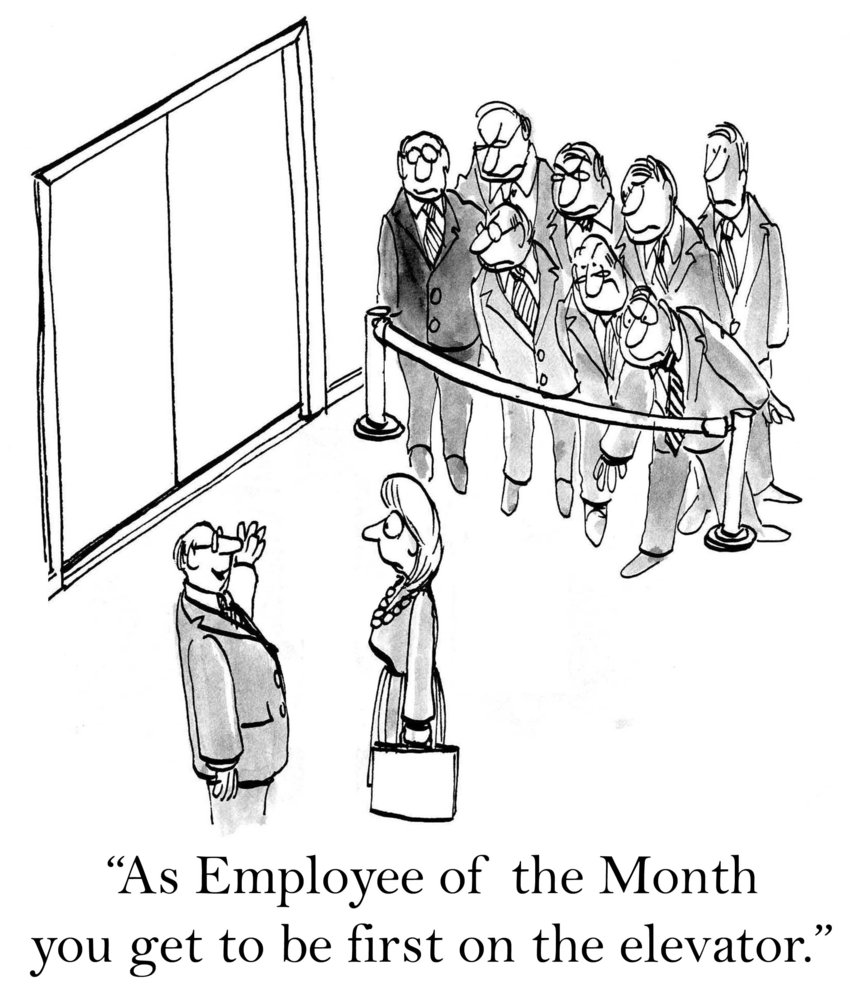


Increasing Employee Engagement Through Recognition
Assessing organizational cultures and real-world experience point to the same conclusion: recognition is one of the most reliable levers for increasing employee engagement. When organizations consistently acknowledge meaningful accomplishments and extra discretionary effort, they reinforce the behaviors that drive results. More importantly, well-timed, authentic recognition signals that individual contributions matter, strengthening commitment, motivation, and trust.
Over time, this practice becomes a defining element of a high-performance culture — one where people choose to bring their best, not because they have to, but because their impact is seen and valued.
Make Sure Employees Are Recognized When They Contribute to the Organization’s Success
Everyone wants to know their work matters. High performers, in particular, want clear line of sight between their efforts and the organization’s success. Recognition provides that connection.
When managers consistently acknowledge strong performance and call out exceptional contributions, they do more than boost morale — they reinforce what “great” looks like and why it counts. Thoughtful recognition helps employees understand their impact on the broader enterprise, builds credibility for leaders, and sustains the level of effort required for long-term, high-quality performance.
What Recognition Matters Most?
Too often, managers either overlook their team’s contributions or recognize them in ways that miss the mark. Effective recognition isn’t just about saying “thank you” — it’s about acknowledging effort, results, and impact in a meaningful and timely way. When recognition is done poorly, it can feel insincere, random, or even demotivating. Thoughtful, well-timed recognition is essential to motivating employees and reinforcing a high-performance culture.
Increasing employee engagement through recognition the “right” way requires that employees:
Ask yourself: are your employees genuinely deserving of the recognition you give?
Ask yourself: do your employees clearly understand the reasons behind the recognition they receive — or don’t receive?
Ask yourself: are your rewards and recognition truly meaningful to those who receive them?
Top Five Leadership Excuses to Not Recognize Employees
People manage assessment results show that some managers simply fail to reward or recognize their employees — and the excuses they give are often revealing. Common justifications you might hear include:
Done thoughtfully, this approach motivates everyone without creating perceptions of favoritism.
The key is to be thoughtful, transparent, and consistent in how employee contributions are acknowledged.
The Bottom Line
If you’re a manager who doesn’t consistently acknowledge employees for their extra effort and meaningful contributions, what’s holding you back? Recognition is a powerful driver of engagement, performance, and loyalty. High-performing teams thrive when leaders see, value, and celebrate the people who make results possible.
To learn more about increasing employee engagement through recognition, download the 3 Top Talent Retention Strategies You Need to Know Before it is Too Late

Tristam Brown is an executive business consultant and organizational development expert with more than three decades of experience helping organizations accelerate performance, build high-impact teams, and turn strategy into execution. As CEO of LSA Global, he works with leaders to get and stay aligned™ through research-backed strategy, culture, and talent solutions that produce measurable, business-critical results. See full bio.

Mar 19,2026
 0
0

Mar 16,2026
0

Mar 05,2026
0

Mar 02,2026
0

Feb 23,2026
0

Feb 12,2026
0

Feb 11,2019
12 K

Apr 18,2017
10 K

Nov 20,2016
6 K

Oct 02,2017
5 K
Explore real world results for clients like you striving to create higher performance