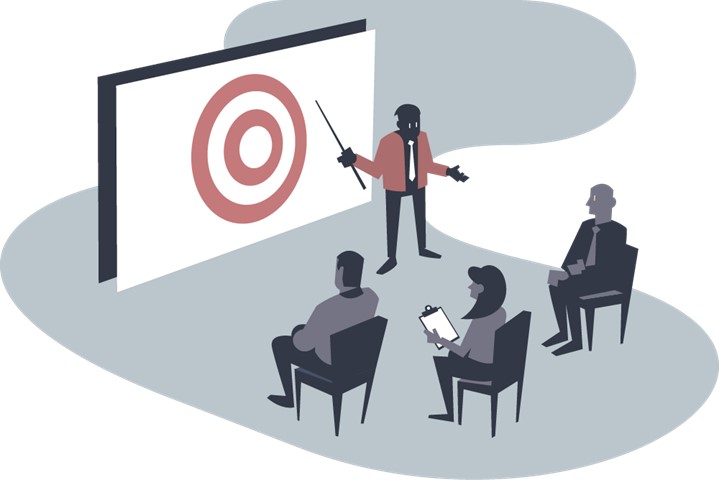


Micro Bursts of Learning and The Top Microlearning Myths
Microlearning — learning delivered in short, focused bursts — has become a popular approach for today’s workforce. Employees are:
They want an employee learning journey where skill building that fits seamlessly into their workflow, supports continuous growth, and can be accessed whenever and wherever it is needed.
When designed well, microlearning can be a highly effective component of an overall training strategy. Research published in the Journal of Applied Psychology found that learning delivered in shorter, focused segments can improve knowledge transfer and learning efficiency compared to traditional long-form training. The key is understanding where microlearning excels and where it falls short.
Before incorporating microlearning into your learning and development strategy, it is important to separate fact from fiction. Understanding the most common microlearning myths can help you maximize its impact while avoiding costly mistakes.
Why Microlearning Is Often Misunderstood
Microlearning has earned a reputation as a flexible, learner-centric approach that delivers targeted knowledge exactly when employees need it. Its convenience and accessibility make it particularly valuable for reinforcing knowledge, supporting performance, and addressing specific skill gaps.
What microlearning is not designed to do, however, is replace comprehensive customized learning experiences. While it can effectively support retention and application, it is rarely sufficient on its own to:
Like any learning tool, its effectiveness depends on how and when it is used.
The Bottom Line
Microlearning can be a powerful way to reduce cognitive overload, reinforce critical concepts, and provide timely support exactly when employees need it. Its greatest strength lies in delivering focused, relevant learning that is accessible, efficient, and easy to apply. The most successful organizations, however, avoid treating microlearning as a cure-all. By understanding the top microlearning myths and integrating microlearning into a broader strategy that includes practice, coaching, feedback, and reinforcement, organizations can achieve stronger learning outcomes and greater business impact.
Ready to improve learning retention, application, and business results? Download The Top 10 Training Best Practices That Drive Learning, Retention, and Performance and discover the proven strategies used by high-performing organizations to make training stick.

Tristam Brown is an executive business consultant and organizational development expert with more than three decades of experience helping organizations accelerate performance, build high-impact teams, and turn strategy into execution. As CEO of LSA Global, he works with leaders to get and stay aligned™ through research-backed strategy, culture, and talent solutions that produce measurable, business-critical results. See full bio.



Aug 17,2026
 0
0

Feb 11,2019
13 K
Apr 18,2017
11 K

Nov 20,2016
6 K

Oct 02,2017
6 K
Explore real world results for clients like you striving to create higher performance