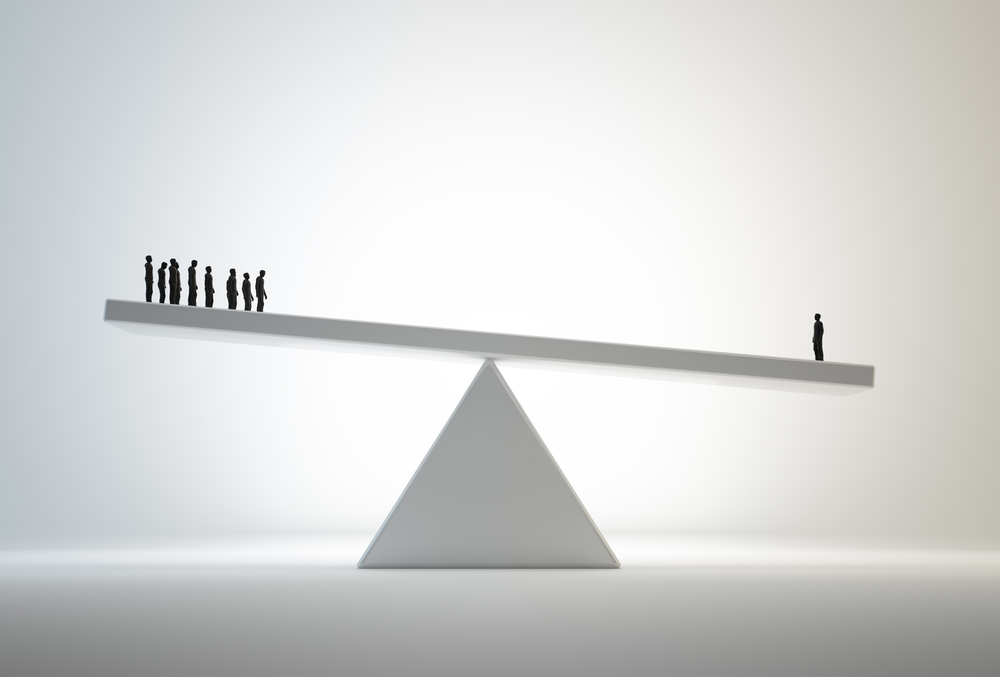


Use Workplace Culture to Drive Behavior
Effective leaders understand that workplace culture is one of the most powerful levers available to shape organizational behavior. When intentionally aligned, culture does more than reinforce expectations. Our organizational alignment research found that the ability of workplace culture to drive behavior has a 40% impact on:
Although CEOs and senior leaders clearly influence culture and often have an outsized impact on team norms, culture does not operate as a simple top-down force. In reality, workplace culture rarely mirrors a model where one individual dictates behavior for the group. Instead, it is shaped and sustained by shared business practices, peer reinforcement, and the everyday decisions people make across the organization.
Workplace Culture Exists by Design or by Default
Only under rare circumstances — and typically with an exceptionally strong and deliberate leader — can a single individual exert more influence over a corporate culture than the collective workforce. In most organizations, culture is not dictated by one person but emerges through shared norms, routines, and reinforcements.
Whether intentionally designed or allowed to form by default, a company’s culture shapes how employees think, decide, and behave every day — for better or worse. Over time, those who do not align with the prevailing culture tend to disengage, lose effectiveness, or ultimately exit the organization. Culture, then, becomes a powerful sorting mechanism, quietly determining who succeeds, who struggles, and who stays.
More recently, the sport has grappled with “mechanical doping,” where tiny motors hidden in bike frames allowed riders to gain unfair speed advantages. From the outside, it is clear that the prevailing culture in professional cycling has been one of win-at-all-costs. While there will always be individuals willing to bend the rules, this cultural expectation effectively incentivized cheating, creating a climate where unethical behavior became the norm rather than the exception.
This is a stark illustration of culture’s power to drive behavior — for harm.
Through awareness, advocacy, and visible social expectations, the culture shifted: littering became socially unacceptable. Habits changed, and even children played a role, reminding their parents not to litter. Today, throwing trash out of a car window carries a stigma — it simply doesn’t “fit” with the culture. Witnessing someone do it is jarring, much like seeing someone light a cigarette on an airplane.
What was once normal behavior is now widely recognized as unacceptable, illustrating the extraordinary power of culture to shape collective behavior for good.
How to Harness the Power Workplace Culture to Drive Behavior
Think of corporate culture as how things truly get done in an organization. It includes the known and unspoken assumptions and corporate values that drive daily behaviors and practices. Though many still mistakenly consider workplace culture as “soft HR stuff,” we know from assessing workplace cultures that it can have a measurable impact on performance.
To harness its power:
The Bottom Line
Be intentional about the workplace culture you cultivate — every norm, value, and behavior sends a signal. The culture you shape affects not only how your people think, decide, and perform, but also the long-term success of your business. Culture is not incidental; it is a strategic force that can accelerate results or quietly undermine them.
To learn more about using workplace culture to drive behavior and higher performance, download The 3 “C’s” of Culture that You Must Get Right to Create High Performance

Tristam Brown is an executive business consultant and organizational development expert with more than three decades of experience helping organizations accelerate performance, build high-impact teams, and turn strategy into execution. As CEO of LSA Global, he works with leaders to get and stay aligned™ through research-backed strategy, culture, and talent solutions that produce measurable, business-critical results. See full bio.
Mar 23,2026
 0
0
Mar 19,2026
0

Mar 16,2026
0
Mar 09,2026
0
Mar 05,2026
0
Mar 02,2026
0

Feb 11,2019
12 K

Apr 18,2017
10 K

Nov 20,2016
6 K

Oct 02,2017
5 K
Explore real world results for clients like you striving to create higher performance