

Knowing When to STOP a Project
Insights from thousands of project postmortem participants reveal a striking truth: the most sought-after project management skill skill among project teams is the ability to know when to STOP a project. The most successful project leaders recognize that when objectives, resources, or conditions change — continuing forward blindly can be more costly than pausing. High performing teams teams:
before moving forward to:
Why It is Hard to Stop a Project After It Has Started
Leaders often struggle to halt a project once it is underway — and for good reason. The sunk costs of time, effort, and resources create a natural resistance to stopping, and many assume that sheer determination can overcome any obstacle, no matter the project risks, changing circumstances, or the project’s overall value.
Yet the most effective leaders take a different approach. They scrutinize underperforming projects early and objectively, recognizing that saying “yes” to everything can be far more dangerous than pausing or redirecting. Stopping a project is not failure — it is disciplined decision-making, a way to protect resources, focus on higher-value initiatives, and steer the organization toward meaningful results.
The Balance of Speed and Reflection
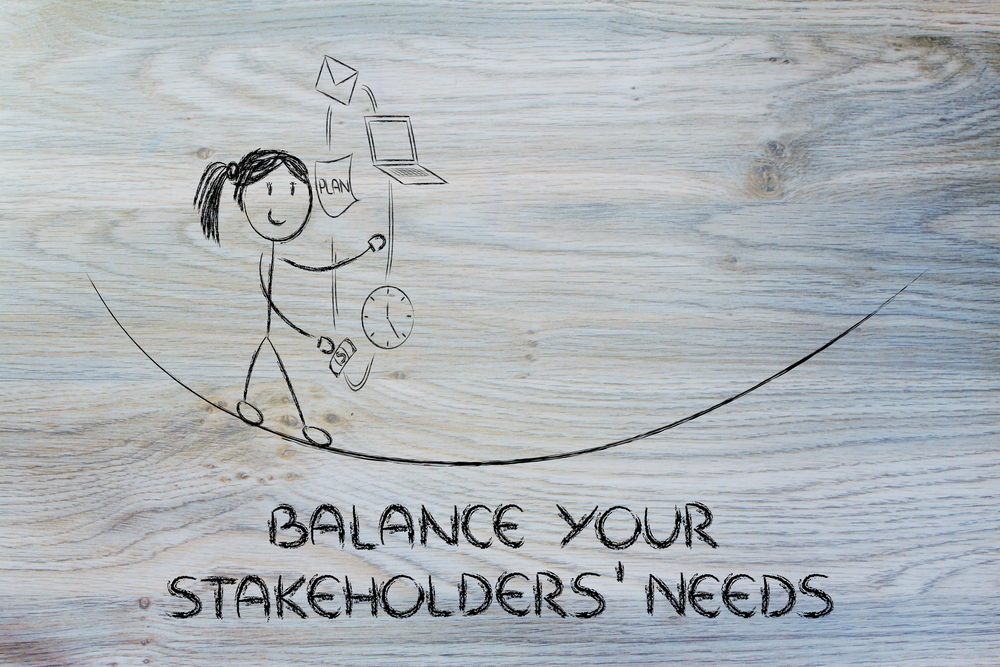
Managing a complex, high-stakes project can feel like walking a tightrope with no room to pause. Pressures from both inside and outside the organization — to deliver faster, better, and cheaper results — can push even the most capable teams into avoidable mistakes or keep them running an underperforming project far longer than they should. The challenge lies in balancing urgency with deliberate reflection, knowing when to act quickly and when to step back to reassess before moving forward.
Use the Iron Triangle
Keeping a project on track requires mastering the three interconnected parameters of the project management Iron Triangle:
Stakeholders often have competing priorities, and failing to balance these elements can derail even the most well-planned projects. During your project retrospective, the last thing you want to admit is that “we never strategically adjusted” — a misstep that can translate into a failed project and, in some cases, put your professional credibility on the line. Successful leaders use the Iron Triangle not as a rigid framework, but as a dynamic tool to make informed trade-offs and guide decisions that protect both results and reputations.
When a project’s budget, scope, resources, or timeline shifts — the rule is simple: STOP. It really is that straightforward.
The challenge lies not in the decision itself, but in executing it thoughtfully. Effective leaders know how to pause a project in a way that aligns with stakeholder expectations, organizational culture, and strategic priorities — turning what could feel like a setback into a disciplined, strategic move.
3 Ways The Best Project Teams Ruthlessly Manage Expectations
Top-performing project teams excel because they deliberately Recognize, Adjust, and Reflect:
By embedding this triad into their approach, high-performing teams turn uncertainty into insight, maintain stakeholder alignment, and continuously raise the bar on project outcomes.
The Bottom Line
Stopping a project often requires negotiating trade-offs or making significant concessions with influential stakeholders — and that is perfectly acceptable. The real challenge is ensuring everyone is aligned around the new plan, rather than simply pushing harder or faster without pausing to regroup with the team and sponsors. Strong project leadership isn’t built on hope or avoidance; it is built on clarity, alignment, and decisive action.
If you liked learning about the importance of STOPPING a project, download 5 Steps to Align Project Teams to Pull in the Same Direction

Tristam Brown is an executive business consultant and organizational development expert with more than three decades of experience helping organizations accelerate performance, build high-impact teams, and turn strategy into execution. As CEO of LSA Global, he works with leaders to get and stay aligned™ through research-backed strategy, culture, and talent solutions that produce measurable, business-critical results. See full bio.


Aug 17,2026
 0
0

Feb 11,2019
13 K

Apr 18,2017
11 K

Nov 20,2016
6 K

Oct 02,2017
6 K
Explore real world results for clients like you striving to create higher performance